In shortThe light here dates from 1848 and nothing older survives on the Australian mainland; it stands on a headland 90 metres above the water. Plan around five open days a week: Friday through Tuesday, 9:30am to 4:30pm, with the gate refusing entry after 4pm and the whole site shut on Christmas Day. Heritage conservation works have the tower closed, which rules out the climb and anything inside it.
1848year Cape Otway Lighthouse was built
90 mheight of the lighthouse above the ocean
Fri-Tue, 9:30am-4:30pmlightstation opening days and hours, last entry 4pm
8-12 hoursduration of the private day tour on this site, from $280
Cape Otway Lightstation: what stands on the headland
The light was built in 1848 and has outlasted every other lighthouse on mainland Australia, which makes this the oldest one still standing. It sits 90 metres above the ocean on a low headland where the Otway forest stops and the grass is cut flat by wind. The tower is the obvious thing from the car park, but the site is a lightstation rather than a single building: the keepers' quarters and outbuildings are spread across the same ground, along with the old telegraph station that once tied this corner of the coast to the wider network.
Inside the buildings there are displays covering the Aboriginal culture of this Country alongside the maritime material, and they are worth reading properly rather than walking past on the way to the view. The view is the reason most people come. From the edge of the headland you look out over Bass Strait, the water between the mainland and Tasmania, with no land in the way. It is exposed: the station's own long-term wind record averages 27.6 km/h at both 9am and 3pm in August, so late winter visits need a windproof layer even when the forecast looks mild.
The tower is shut for conservation works
No tower climbs and no interior access are available. The official lightstation site states plainly that the tower is closed for heritage conservation works, so the staircase, the lantern room and the balcony are all off the table for now. No reopening date has been published, and nobody on site can give you one.
What remains open is the ground-level part of the lightstation: the keepers' buildings, the displays and the headland itself. If climbing the tower was the whole reason you were considering the drive, take the closure seriously and spend those hours on the coast instead. If you came for the setting, the buildings and the strait, the closure changes less than you would expect.
Cape Otway lighthouse opening hours and the Christmas closure
The gates do not open every day. According to the official lightstation site they work Friday to Tuesday, 9:30am to 4:30pm, with last entry at 4pm, and the site is closed on Christmas Day. Wednesday and Thursday are closed days, which quietly kills a lot of itineraries built around a midweek drive through the Otways.
Last entry at 4pm also means you cannot treat the cape as a late-afternoon stop after a morning at the Twelve Apostles. Work backwards: be on the access road with a comfortable margin before 4pm, and allow time at the headland rather than ten minutes. Arrangements along this coast changed through 2026, so confirm the day you plan to travel before you commit the detour to your route.
| Detail | What the official site states |
|---|
| Built | 1848 |
|---|
| Status | Oldest surviving lighthouse on mainland Australia |
|---|
| Height above the ocean | 90 metres |
|---|
| Open days | Friday to Tuesday |
|---|
| Hours | 9:30am to 4:30pm |
|---|
| Last entry | 4pm |
|---|
| Annual closure | Christmas Day |
|---|
| Tower access | Closed for heritage conservation works; climbs and interior unavailable |
|---|
Why many single-day itineraries drive past
The cape sits at the end of a dead-end road that leaves the main coastal alignment and runs out to the headland, so the drive is out and back, with nothing further west to pick up on the way. That is time taken straight out of the day, and a single-day run from Melbourne is already tight: the day tours listed on this site take 12 hours or more just to cover the coast and return, before anyone adds a side road.
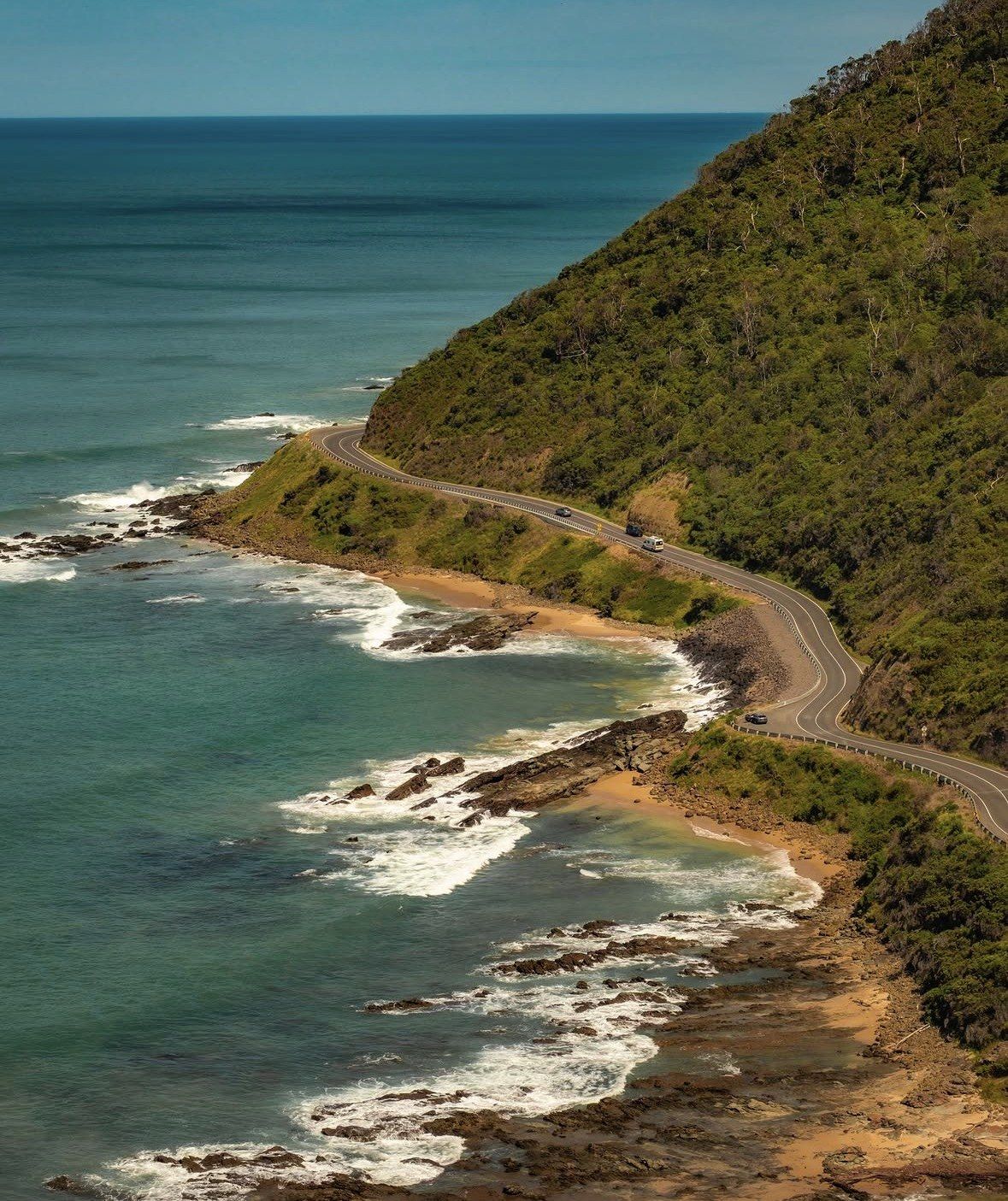
A detour like this one assumes you are not racing: the regional tourism body says the road should not be attempted in a single day and puts the minimum at two or three. The road backs that up. You reach the cape turn-off along the Lorne to Apollo Bay stretch, which is narrow, winding and slow, with official advice to rest every 45 to 60 minutes and to keep off it once it is dark. Add a closed tower, a Friday to Tuesday window and a 4pm last entry, and you can see why most one-day operators keep driving west.
The cape earns its place on a trip of two or three days, or on a private day where you set the stops. Stay a night at Apollo Bay and the detour becomes a relaxed morning rather than a sprint, and you still reach the Shipwreck Coast with daylight left.
A day where you choose the stops
With 8 to 12 hours for 1 to 3 guests and pickup at your own accommodation, this is the format where a dead-end detour like Cape Otway can realistically be discussed with the driver-guide instead of being dropped from a fixed route.
★ 5.0/5 · 25 reviews
Koalas on the access road, and the rules that apply
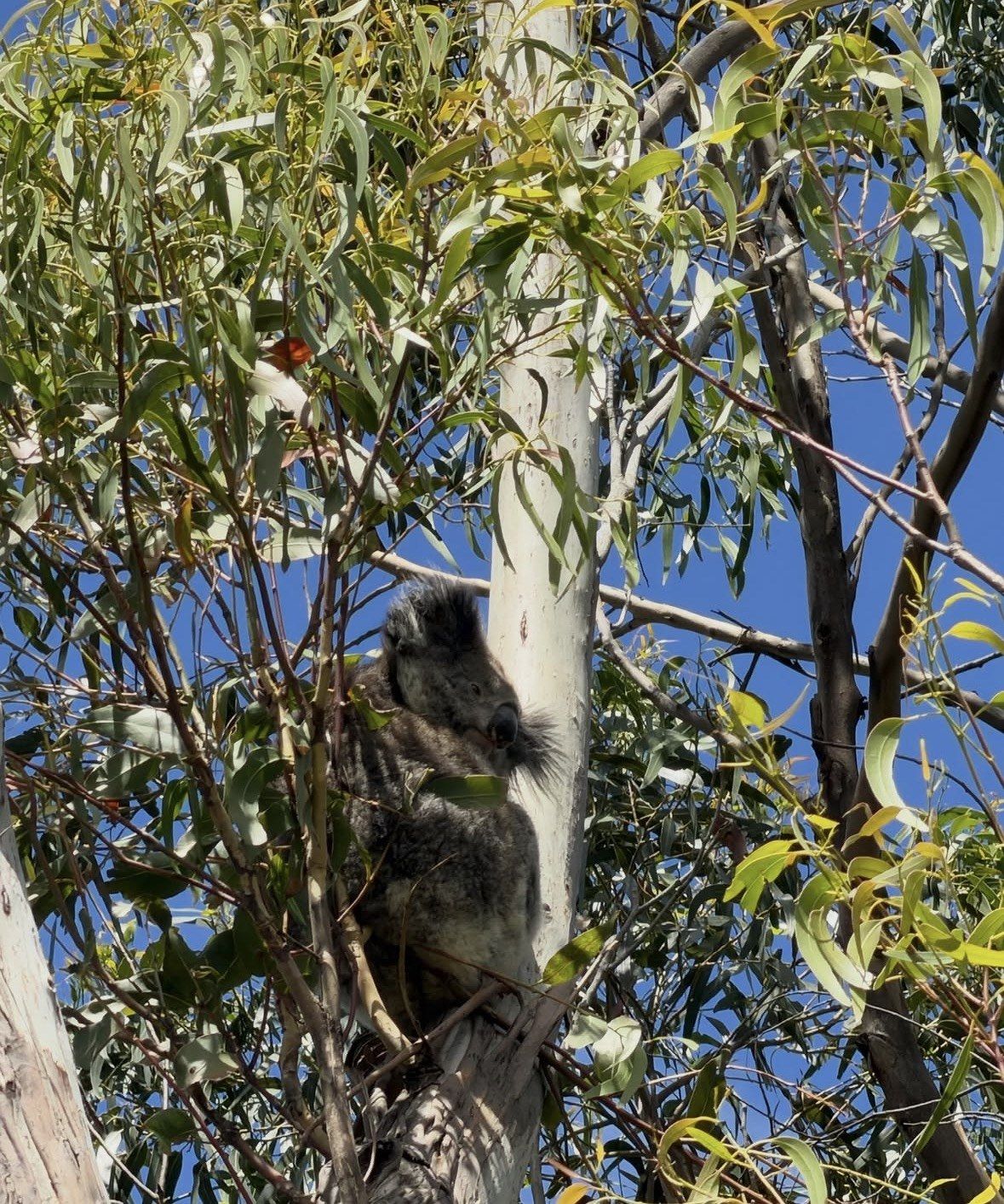
The road in to the cape has a long-standing reputation for koalas in the roadside trees, and that reputation is exactly why it needs care. Official regional advice for koala spotting is not to stop on the roadside at all, but to look for animals from a walking trail or a designated viewing area. Pulling up on a narrow forest road to photograph a tree is how blind-corner incidents happen, and stopping for photographs on blind corners or across private driveways is prohibited along this route.
Feeding is also out. Under the Wildlife Act 1975 the Great Ocean Road Coast and Parks Authority sets out what hand-feeding does to wildlife: foraging skills go, animals crowd together in numbers that pass disease around, diets become deficient and behaviour turns aggressive. There is also an active H5 bird flu warning across the parks on this coast, so leave sick or dead animals where they are and phone the location through to the Emergency Animal Disease Hotline, 1800 675 888.
If wildlife rather than the lighthouse is the draw, Kennett River halfway between Lorne and Apollo Bay is the easier call, and the Authority names Grey River Road there as the town's main viewing spot. Nothing the size of a full coach may enter or stop inside the Kennett River precinct, which is why a minivan or a smaller vehicle gets you closer to the trees.
- Look for koalas from a trail or a marked viewing area, not from the edge of the access road
- Never feed or touch wildlife, koalas included
- Report sick or dead animals to 1800 675 888 and leave them alone
- Mobile reception along this coast is unreliable, so download maps before you turn off
Is the detour worth your time
Go if your travel dates fall between Friday and Tuesday, you have two or three days for the road, and the 1848 station with the strait behind it appeals on its own terms. Skip it if you have a single day from Melbourne, if you were counting on climbing the tower, or if your Otways day lands on a Wednesday or Thursday.
On a private basis the arithmetic is different, because you decide where the hours go. The Great Ocean Road and 12 Apostles Private Day Tour runs 8 to 12 hours from $280, rated 5.0 ★ (25 reviews), for 1 to 3 guests with a professional driver-guide, pickup and drop-off at your own accommodation, all tolls and parking fees, bottled water and USB-C charging; ask the operator what fits inside the day on your date before you book.
The Melbourne to Adelaide 3-Day Great Ocean Road and Grampians Tour is the option that matches what the region advises: 3 days from $667, rated 4.9 ★ (67 reviews), two nights in Halls Gap and Warrnambool, breakfast and dinner, admission to all national parks, about 6.5 km of guided bush walking, and a one-way finish in Adelaide. Prices and review counts on this page were taken in November 2026 and shift as more reviews come in.
Questions people ask
Do I need to book anything else on the same trip?
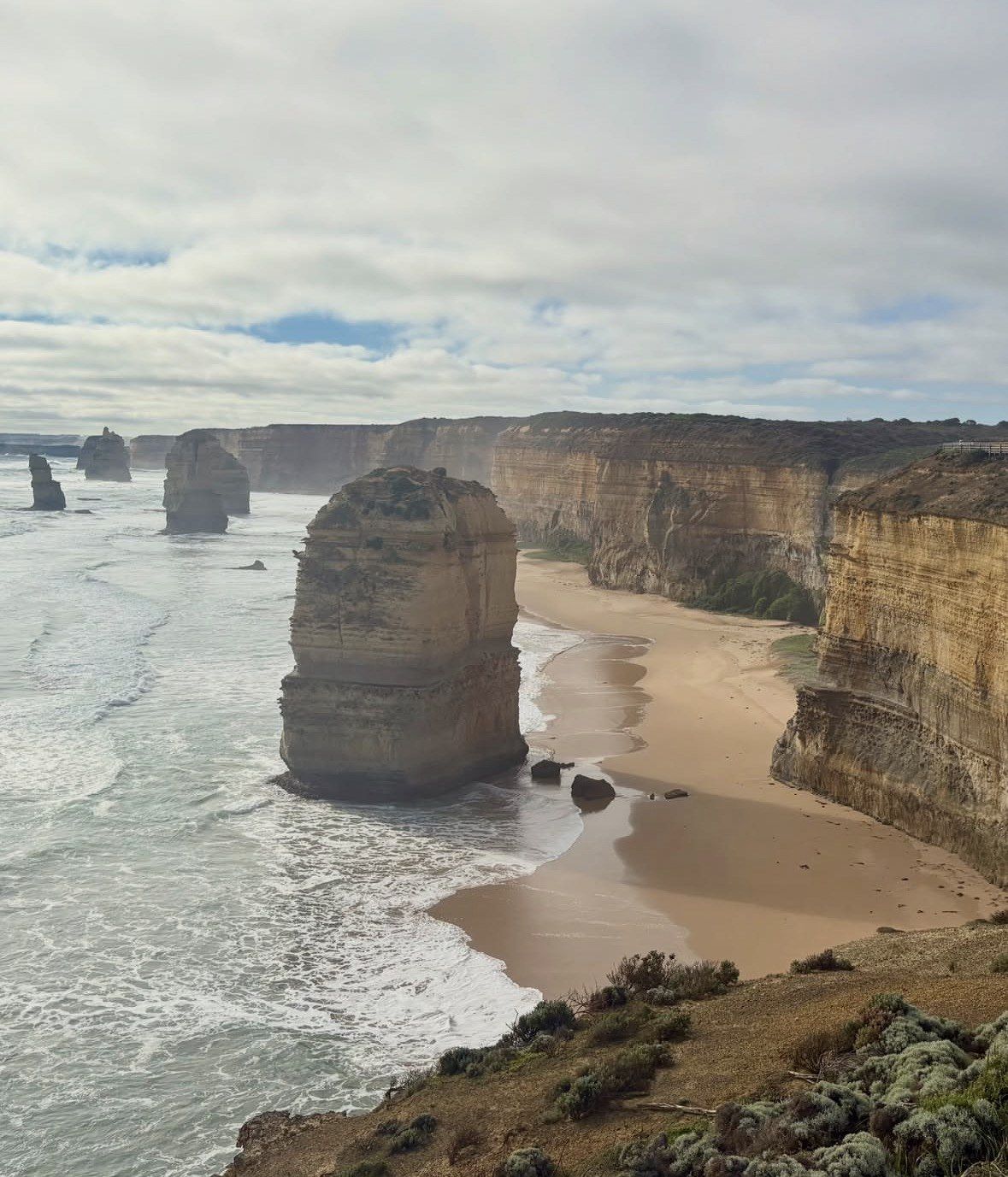
Yes, for the Twelve Apostles. The precinct has run on bookings since 16 October 2026, and that applies to the lookouts and the car park, not only the visitor centre; cars go through a boom gate on Booringa Road at Princetown. From April 2027 a booking fee applies, at a level nobody has published yet. Sort that booking before you fix your Cape Otway day.
What is the weather like at the cape?
The lightstation is the long-record weather station for this stretch of coast, averaging a maximum of 21.5 °C in January and 13.0 °C in July, with 89.8 mm of rain in September. The station's mean wind figures bottom out at 21.6 km/h at 9am in March and peak at 27.6 km/h, recorded at both 9am and 3pm in August. Bring a windproof layer in any month.
Will my phone work out there?
Treat it as if it will not. Coverage on this road is patchy enough that the official advice is to pull your maps and accommodation details onto the phone before you leave. Screenshot anything you need to show at a gate, including any booking confirmations for stops further west.
Can I see Cape Otway from the air instead?
12 Apostles Helicopters flies from 20 Booringa Road, Princetown, and one of its three routes is a Cape Otway circuit of 220 km, about one hour, taking in 17 landmarks. The operator flies every day of the week, winter hours running 9am until one hour before sunset and summer hours 10am to 6:30pm. No prices are published on the operator's own pages, so call to ask.
Can I reach this coast on foot rather than by road?
On foot the route is the Great Ocean Walk: more than 100 kilometres between Apollo Bay and the Twelve Apostles, laid out to be walked east to west, eight days for most people. There are seven hike-in campsites, each capped at three guests, and the reservation you make before setting out is itself your camping permit. Groups and operators should lodge an itinerary at least 14 days in advance, and certain beach and river crossings stop being safe at high tide or in heavy surf, so build this one months out.
Read also