In shortA guided tour earns its keep if you have one day, no car, or no experience driving on the left. Someone else absorbs 242 kilometres of slow coastal road, the booked entry at the Twelve Apostles precinct and the order of the stops, all inside 12 to 14 hours. With two or three days free, take a multi-day itinerary instead.
14 hourslongest single-day tour listed from Melbourne
from $63lowest starting price among the day tours here
242 kmroad distance from Torquay to Allansford
6am to 9pmTwelve Apostles car park opening hours
Is a Great Ocean Road tour worth it?
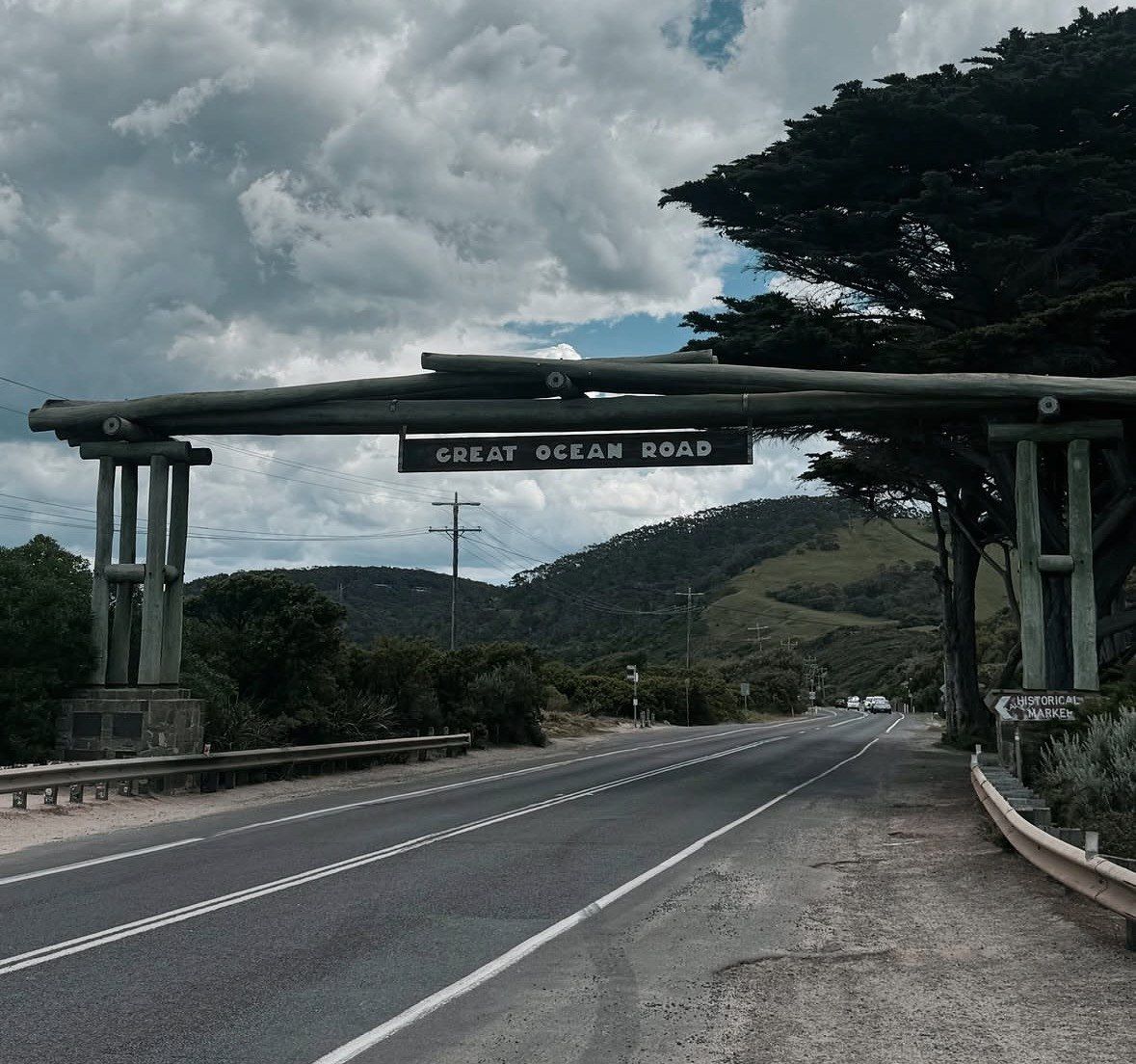
For a first visit with one day to spend, yes. This route punishes people who underestimate it. The road runs 242 kilometres between Torquay and Allansford, built between 1919 and 1932 by more than 3,000 returned servicemen as a war memorial, and the part everyone photographs sits near the far western end. A day tour hands that driving to someone else for 12, 13 or 14 hours while you watch the coast go past.
The value is sharpest for travellers without a car in Melbourne, anyone with a single day on this coast, visitors from countries that drive on the right, and anyone who would rather not deal with a booked boom gate and a crowded car park in an unfamiliar vehicle.
That value drops once you have three or four days in Victoria. The region's own tourism body does not endorse the one-day version of this trip at all: its advice is to give the road at least two or three days. A one-day tour also cannot wait for dusk, when Short-tailed Shearwaters return to Mutton Bird Island at Loch Ard Gorge between October and April, and Little Penguins come ashore below the lookouts from about 10 to 15 minutes after sunset.
How long the day actually is
Departures from the city are early and the finish is late. Pickups run from 6:45 am at the Immigration Museum, 400 Flinders Street, from 7.00am on the corner of Flinders Street and Market Street, and from selected hotels on the small-group tours. The days listed here run 12 to 14 hours, counting pickup to drop-off.
The length comes from the road itself. Between Lorne and Apollo Bay the road narrows and the bends tighten, and the pace there is set for you: official advice on that stretch is a break every 45 to 60 minutes and no driving once it is dark. Many cafes and bakeries along the route shut by 2:30pm, so a tour that stops at Anglesea or Apollo Bay for lunch is doing you a favour. Carry something for the afternoon anyway.
- 12 hours: the reverse-itinerary premium coach, picking up at 400 Flinders Street
- 13 hours: the classic small-group day with hotel pickup and morning tea
- 14 hours: the full-coast small-group eco day, the longest listed here
- Meals: coffee or tea on the eco day, morning tea on the classic, bottled water on the coach
Great Ocean Road tour or drive yourself
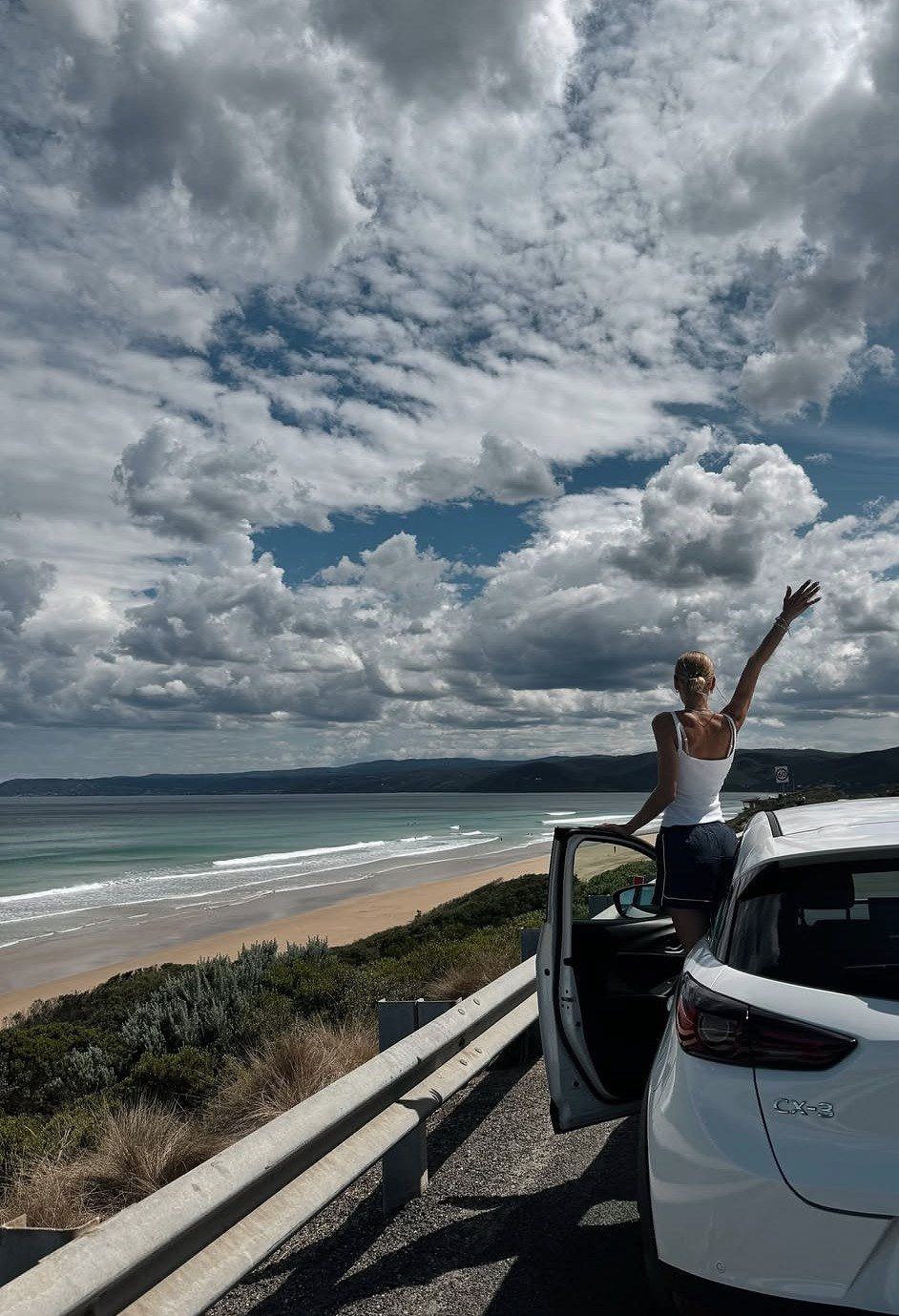
Australia drives on the left, and the advice to drivers on this road is specific: use the slow-vehicle turnouts so you do not hold up traffic, and do not stop for photographs on blind corners or across private driveways. Mobile reception along the route is unreliable, which is why visitors are told to download maps and accommodation details before setting out. None of that is a problem on its own. Stacked onto a first day in a right-hand-drive car after a long flight, it adds up.
Entry to the Twelve Apostles precinct has run on bookings since 16 October 2026, and the requirement covers the car park and the lookouts, not just the Keerray Woorroong Visitor Centre. Driving yourself means dealing with the gate: visitor parking sits behind a boom gate on Booringa Road at Princetown, roughly 7 kilometres east of Port Campbell, while coaches and coasters have their own boom gate on that same road. Slots can be held by operators and regional partners up to four months out, a run-up no independent traveller matches, so in the busy weeks you are picking from what is left.
Your own car starts to make sense once you have two or three days and you are comfortable on the left, because you can stay a night at Lorne or Apollo Bay and work along the separate roadside stops west of the precinct: Gibson Steps, London Bridge, The Arch, The Grotto, the Blowhole and the Port Campbell Discovery Walk. For a single day out of Melbourne, the tours on this site cover the same coast with less exposure to the parts that go wrong.
Reverse itinerary, 12 hours, from $63
This one runs inland first and reaches the Twelve Apostles before the middle of the day, so the busiest hours at the lookouts pass while you are somewhere else.
★ 4.9/5 · 132 reviews
What the guide and the stop order add
Annual visitor numbers at the Twelve Apostles already pass 2 million, and the Victorian government wants the figure at 6 million, which is the crowd a guide and a fixed stop order are really working around. There is no quiet month here, only quieter hours: the land manager's own advice is to arrive early in the morning or later in the afternoon. The reverse-itinerary tours are built around that advice: inland first, the Apostles before the middle of the day, then the coast on the way back in the afternoon.
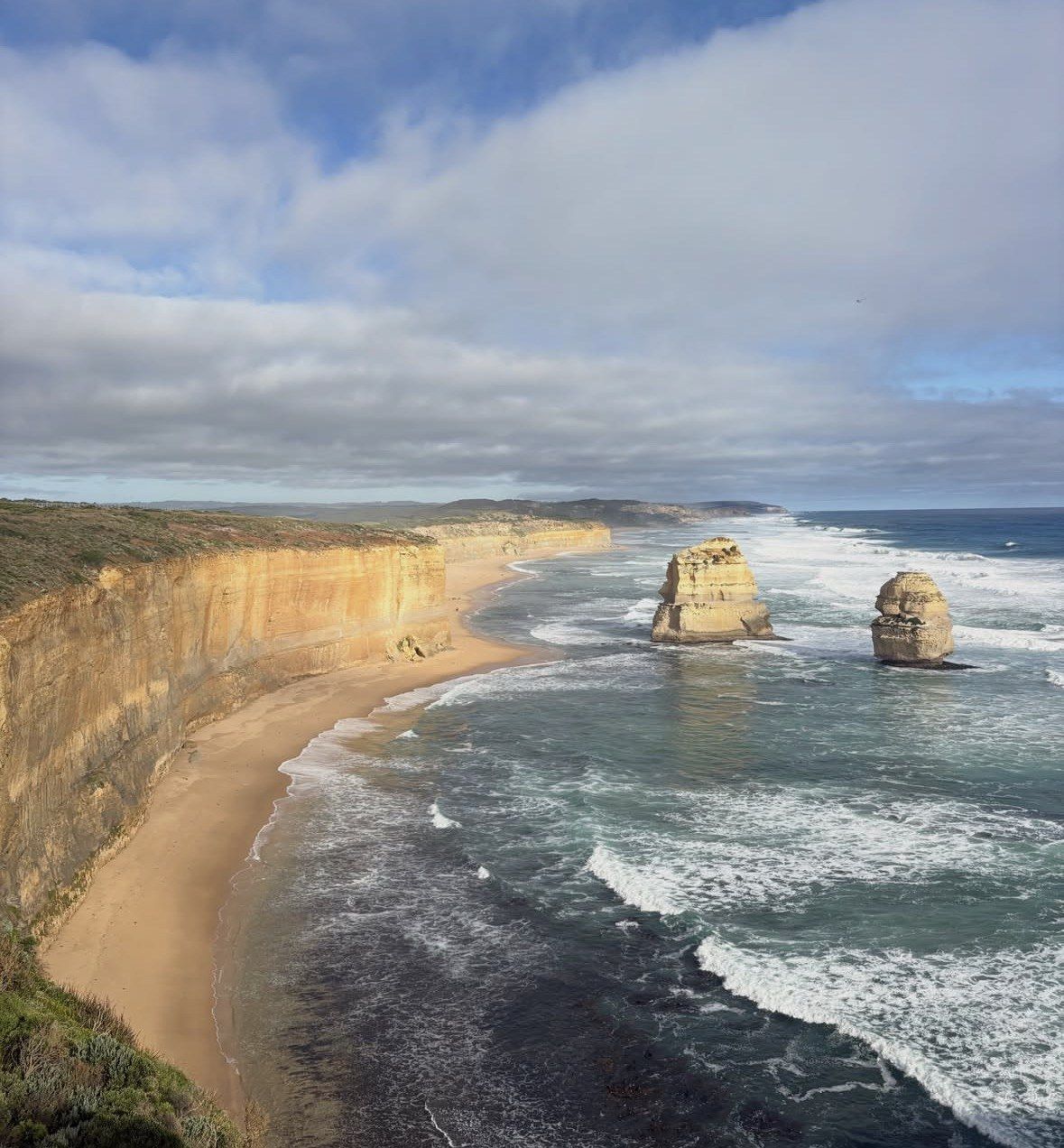
Timing also decides how neatly the stops line up. The precinct is one booked site with a 230-seat cafe, a rooftop observation deck, accessible trails and viewing platforms, and a sensory room; the visitor centre opens daily 8:00 AM to 8:00 PM with last arrival at 7pm, while the car park is open from 6:00 AM to 9:00 PM. Beach access at Gibson Steps reopened in February 2026 and at Loch Ard Gorge in late October 2026 after safety repair works, so both cliff-base beaches are walkable again. The name on the gorge comes from a ship: the clipper Loch Ard, wrecked on Mutton Bird Island in 1878.
Wildlife stops are where vehicle size decides what you see. At Kennett River, the midpoint of the Lorne to Apollo Bay stretch, koalas sit in the trees and Grey River Road is where people go to look; large tour coaches are barred from entering or stopping inside that precinct, so the vehicle you are in determines whether the stop happens at all. Official advice is to watch animals from a walking trail or designated area instead of the roadside, and never to feed or touch them. A bird flu warning, H5, applies across these parks: keep away from sick or dead wildlife, and report what you see to the Emergency Animal Disease Hotline on 1800 675 888.
Who gets the most from a day tour, and who needs longer
The strongest case for a day tour is a short stay in Melbourne with the coast as one line on a list. You give up the second half of the Shipwreck Coast and you give up dusk, and you get a day that works without any planning on your part.
If the trip can stretch, the two- and three-day itineraries listed on this site follow the official advice instead of fighting it, with a night at Apollo Bay or inland at Halls Gap, and the three-day run continuing one way to Adelaide. They also open up seasons a day tour cannot touch: Southern right whales are in Victorian waters from May to October and calve at Logans Beach near Warrnambool between June and September, often within 100 metres of the shore, and Tower Hill Wildlife Reserve, inside an extinct volcano 18 km west of Warrnambool, is reliable for emus, kangaroos and koalas.
- A day tour makes sense: no car in Melbourne, one day available, first visit, no experience driving on the left, or you want the accessible facilities at the booked precinct without managing the gate yourself
- Two or three days make sense: you want the stops west of Port Campbell, dusk wildlife, or the whale season at Logans Beach
- Either way: December and January are the heaviest weeks, with Victorian school holidays running from Monday 21 December 2026 to Wednesday 27 January 2027, and accommodation needs arranging months ahead
Which tour fits which case
Three day tours are featured on this page, and the differences that matter are hours on the road, group size and whether the itinerary runs in reverse.
Take the 14-hour small-group eco day from $112 for a first visit and the longest version of the coast, with pickup from selected hotels, WiFi on board, national park fees and a coffee or tea included. The 13-hour classic small-group day from $98 keeps the familiar west-bound order in a smaller vehicle, with morning tea. Go with the 12-hour reverse-in premium coach from $63 if reaching the Apostles ahead of the midday wave matters most and you are happy starting from 400 Flinders Street. All three list air-conditioned vehicles. Arrangements on this coast changed through 2026 and are still moving, so confirm what applies on your date.
| Tour | Duration | From | Group and vehicle | Itinerary | Pickup | Rating ★ (reviews) | Best for |
|---|
| Great Ocean Road Small-Group Eco Tour from Melbourne | 14 hours | from $112 | Small group, air-conditioned vehicle | Classic west-bound, full coast | Selected hotels | 4.9 ★ (7098 reviews) | First visit, whole route in one day |
|---|
| Small-Group Great Ocean Road Classic Day Tour from Melbourne | 13 hours | from $98 | Small group, air-conditioned vehicle | Classic west-bound | Selected hotels | 4.8 ★ (354 reviews) | Familiar order, smaller vehicle, morning tea |
|---|
| Great Ocean Road TOUR & 12 Apostles Tour Reverse-In Premium BUS | 12 hours | from $63 | Premium coach | Reverse, inland first | 400 Flinders St, outside the Immigration Museum | 4.9 ★ (132 reviews) | Apostles before the midday crowd, lowest starting price |
|---|
Questions people ask
Do I need to arrange anything before I set off for the Twelve Apostles?
No vehicle reaches the lookouts on spec any more: the booking covers the whole precinct, with the car park and the clifftop lookouts included alongside the visitor centre. The requirement dates from 16 October 2026, the day the Keerray Woorroong Visitor Centre opened, and access is controlled by boom gates on Booringa Road. On a guided tour the operator handles the arrival slot. Independent visitors should sort it out first and save the confirmation offline, because reception along the route drops without warning.
Can I reach the Twelve Apostles without a car or a tour?
Public transport is not a reliable plan for this trip. Coach services run along the coast from Geelong to Apollo Bay and on to Warrnambool, but the coastal link is infrequent, and the precinct itself has a drop-off area with no scheduled service. For a day from Melbourne, a tour is the practical option.
What time of day is quietest at the lookouts?
The land manager says the site is busy year-round and points visitors towards early morning or later in the afternoon. The car park runs from 6:00 AM to 9:00 PM, wider than the visitor centre's 8:00 AM to 8:00 PM with last arrival at 7pm, so both ends of the day are reachable. Reverse-itinerary and sunset tours exist precisely to land you there outside the midday block.
Is it worth going if the forecast looks bad?
Rain is routine on this coast. Apollo Bay records 1060.0 mm a year over 127.1 rain days, August being the wettest month at 126.2 mm, and late winter is the windiest period on the clifftops, with mean winds at Cape Otway Lighthouse reaching 27.6 km/h at 9am and 3pm in August. Each of the three day tours on this page can be cancelled for a full refund up to 24 hours before the scheduled departure time, so a forecast that turns genuinely wild leaves you a way out.
Can I bring a dog on a Great Ocean Road day trip?
Dogs are not allowed at the Twelve Apostles, at Loch Ard Gorge, or in Port Campbell National Park generally, and only assistance dogs are welcome at Tower Hill Wildlife Reserve. That rules out the main stops of any day itinerary. Plan on leaving pets in Melbourne.
Read also