The Coast Before There Was a Road
Keerray Woorroong is the name of both the Country and the language of the region's Traditional Owners, and this coast carried that name long before surveyors reached it. Eastern Maar Aboriginal Corporation chose it for the visitor centre that now stands at the Twelve Apostles. Older names survive at individual sites too, among them Poombeeyt Koontapool, the Blowhole in Port Campbell National Park. European contact came from the sea rather than from inland. Ships bound for Melbourne had to find their way along a limestone coast with few landmarks, and in 1848 a lighthouse was built at Cape Otway, 90 metres above the ocean, to mark the turn.
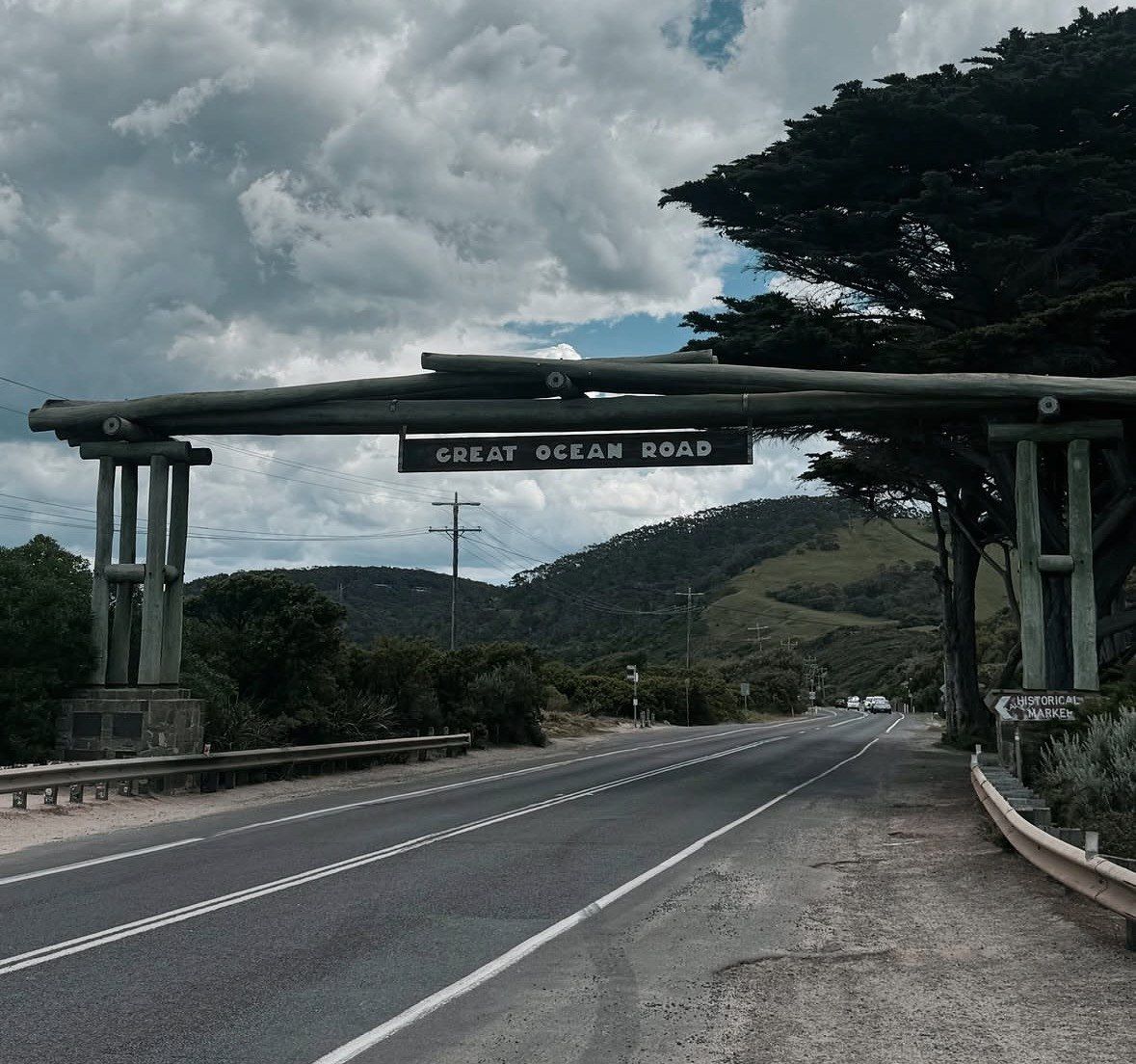
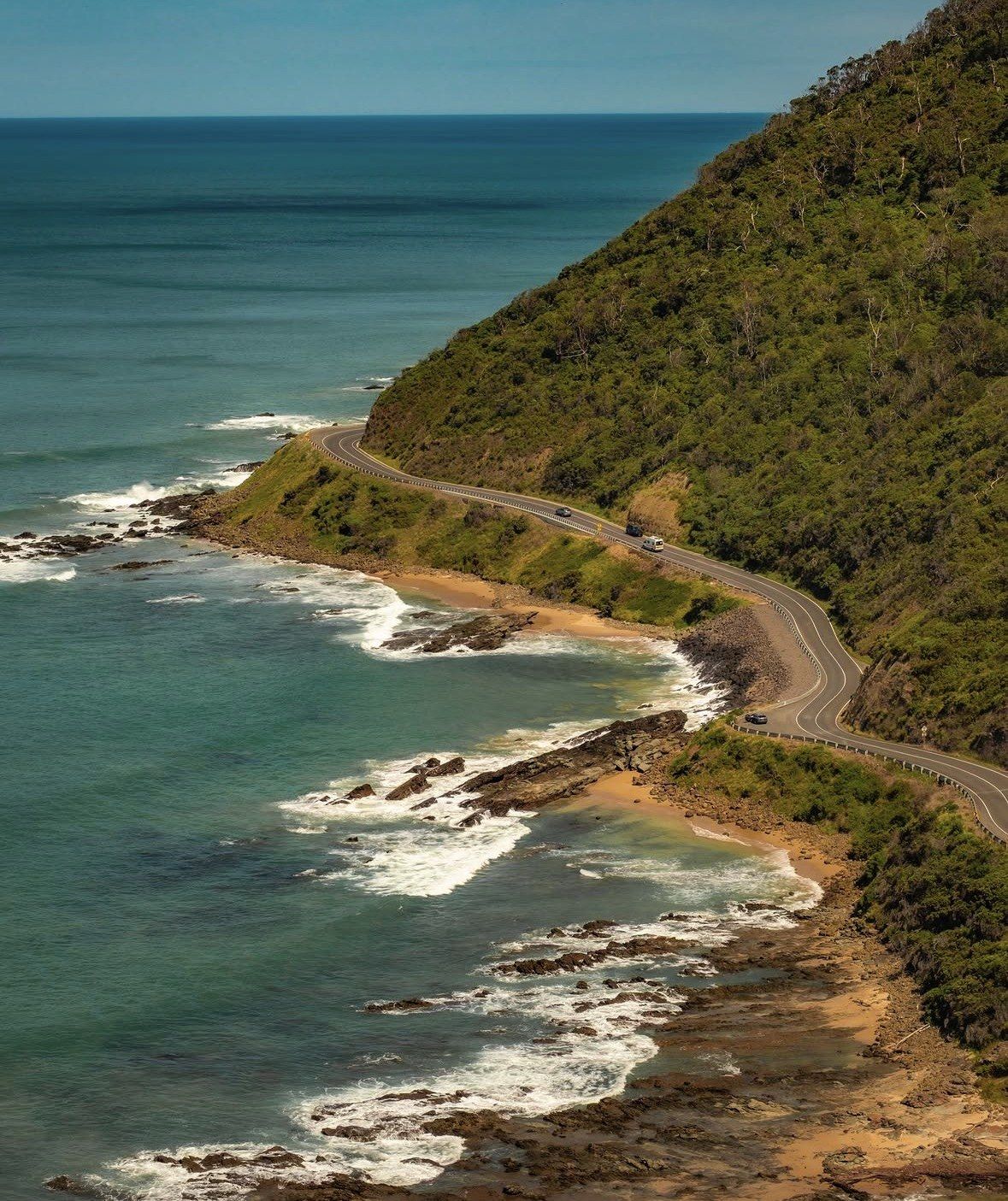
Construction began in 1919, the year after the First World War ended. More than 3,000 returned servicemen worked on it, cutting a shelf into cliffs above the water, and the job ran for 13 years. By 1932 the road reached 242 kilometres, from Torquay in the east to Allansford in the west, linking timber and fishing towns that until then were served mainly by boat or by rough inland tracks. It was built as a memorial to those killed in the war, and that is why the route is still described as a memorial road.
A War Memorial You Drive Through
Pull over anywhere between Torquay and Allansford and you are standing on the memorial itself; there is no single monument to find. The cuttings, the shelf above the water and the sequence of bends along that stretch are the work of the men who came back from the war and were put to work on the coast. That history still shapes how the drive feels. Because the alignment follows the shoreline instead of moving traffic quickly, the Lorne to Apollo Bay section is narrow, winding and slow, and the official advice is to avoid it at night and to break every 45 to 60 minutes. Australia drives on the left. Use the slow-vehicle turnouts so following traffic can pass.
West of Cape Otway the coastline changes character and the place names turn maritime. Loch Ard Gorge takes its name from the clipper Loch Ard, which struck Mutton Bird Island in 1878. The gorge now sits inside Port Campbell National Park, with its own car park off the Great Ocean Road. Mutton Bird Island still earns the name: Short-tailed Shearwaters return to it at dusk between October and April, coming in from the sea in numbers best watched from the lookouts above the gorge. Beach access at the gorge reopened in late October 2026 after safety repair works, having been closed since May 2023. Dogs are not allowed anywhere in the park.
Cape Otway Lightstation holds the oldest built history on the route. The tower dates from 1848, stands 90 metres above the ocean and is the oldest surviving lighthouse on mainland Australia. It opens Friday to Tuesday, 9:30am to 4:30pm, with last entry at 4pm, and closes on Christmas Day, so a Wednesday or Thursday plan built around it will not work. The tower is closed for heritage conservation works, with no climbs and no interior access, while the rest of the headland site stays open. Confirm hours with the lightstation before you build a day around the visit.
Key Dates and Figures Along the Road
3,000
Returned servicemen who built the road between 1919 and 1932
242 km
Length of the memorial road, Torquay to Allansford
2011
Added to Australia's National Heritage List
1848
Cape Otway Lighthouse built, oldest surviving on mainland Australia
1878
The clipper Loch Ard struck Mutton Bird Island
$126 million
Twelve Apostles Precinct Redevelopment, Geelong City Deal
How the Road Became a Managed Destination
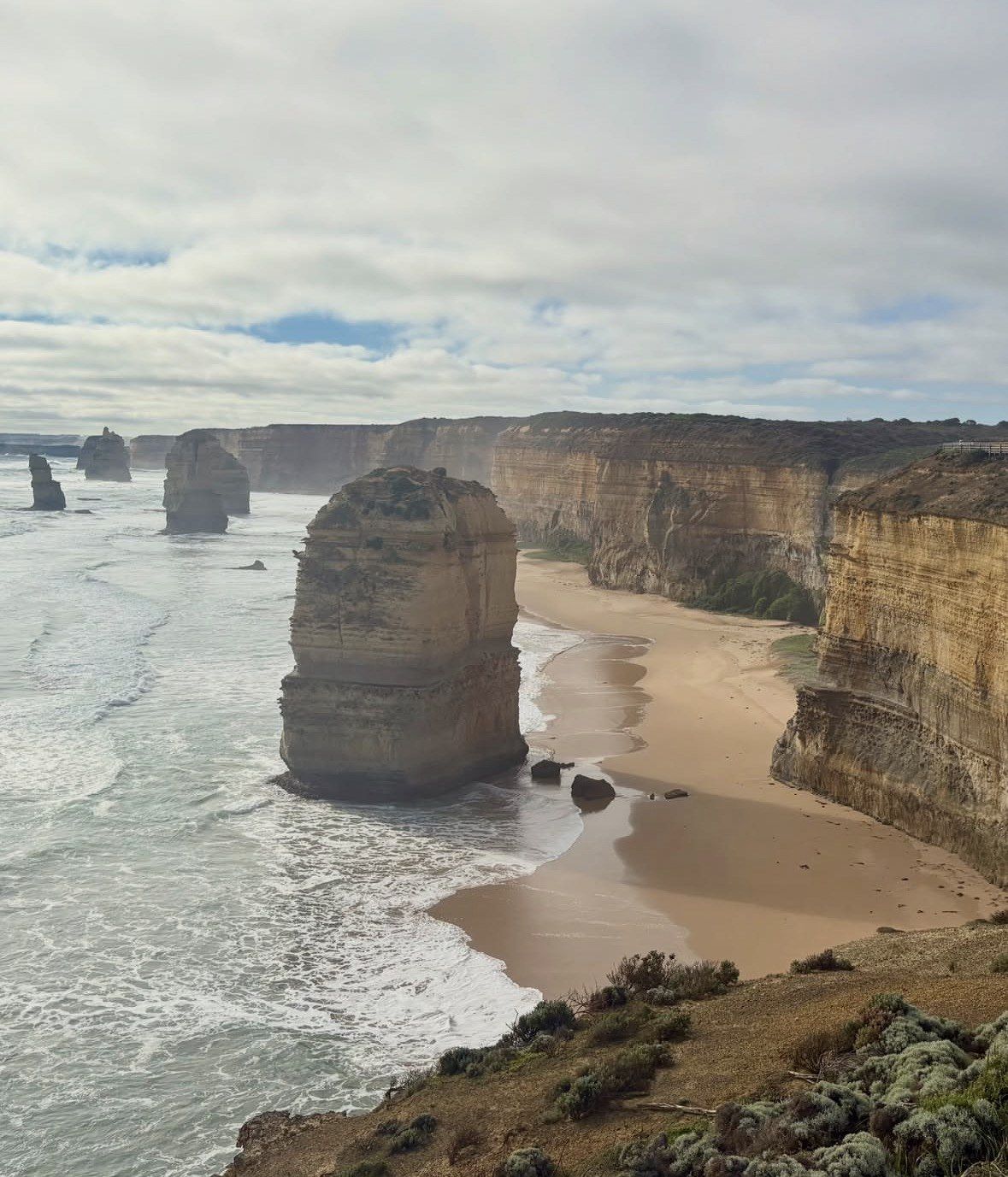
Recognition came long after the last section opened. The Great Ocean Road and Scenic Environs went onto Australia's National Heritage List in 2011, covering the memorial road and the coast it was cut into. By then the Twelve Apostles had become the stop most visitors travel for: more than 2 million people reach the lookouts each year, and the Victorian government has set out an aim of 6 million. The land manager calls the site busy year-round and advises arriving early in the morning or later in the afternoon. That is the reasoning behind the reverse-itinerary and sunset tours that reach the stacks outside the midday peak.
Who looks after the coast has changed recently. The Great Ocean Road Coast and Parks Authority, based in Torquay, is the Victorian government body managing the coast and parks along the route. Several national parks transferred to it from Parks Victoria, which is why old Parks Victoria addresses now redirect, and from 1 July 2026 some parks and campsites previously run by Parks Victoria came under the Authority as well. Its general enquiry line is 1300 736 533. That matters for planning, because the Authority now sets the rules at the sites visitors care about, from dog restrictions in Port Campbell National Park to campsite bookings on the Great Ocean Walk.
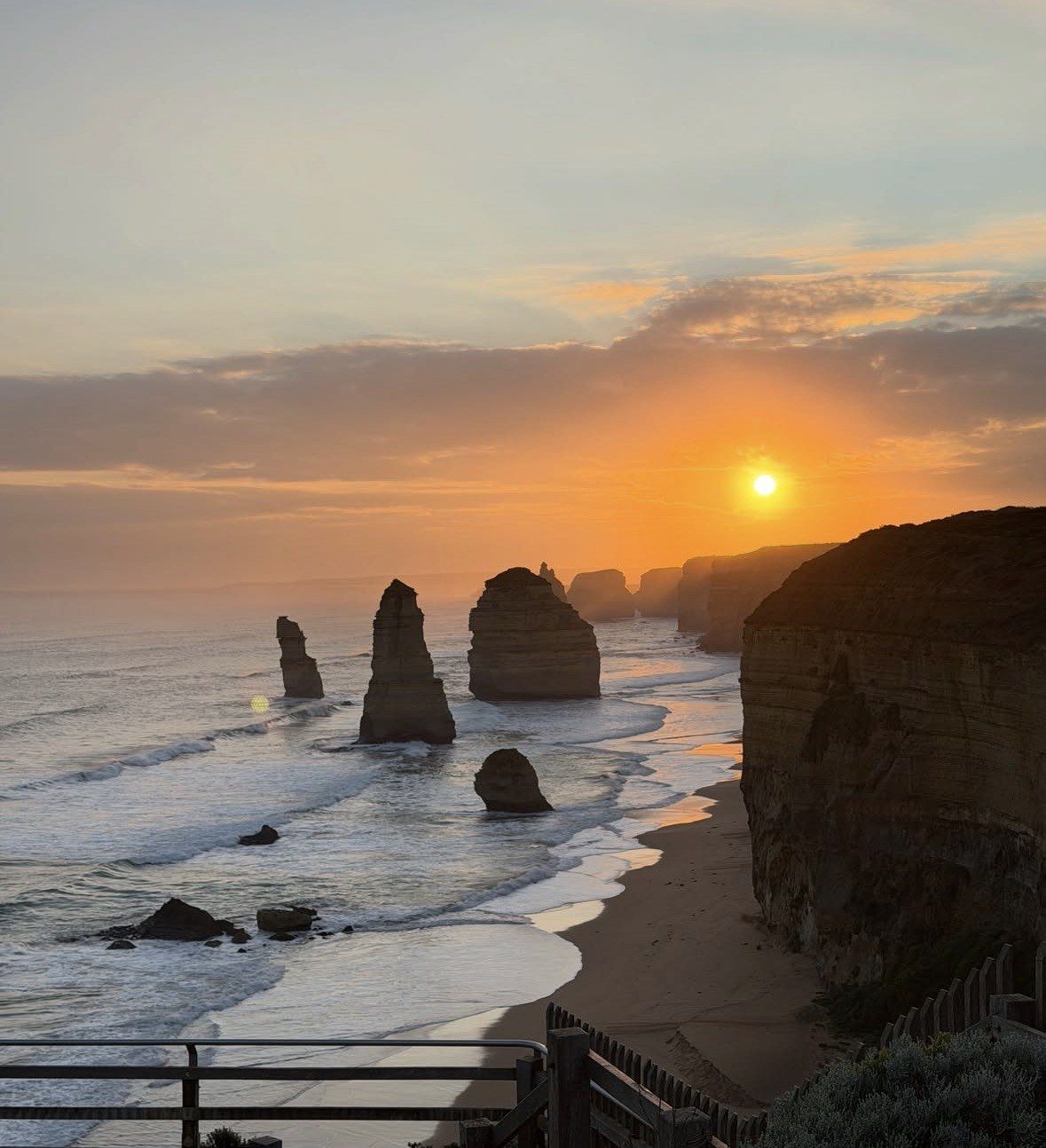
A $126 million redevelopment of the Twelve Apostles precinct opened on 16 October 2026, funded through the Geelong City Deal between the Australian and Victorian governments and the City of Greater Geelong. Its centrepiece is the Keerray Woorroong Visitor Centre, with a 230-seat cafe, a kiosk, gallery and exhibition space, new toilets, a rooftop observation deck, native gardens and expanded car parking. Almost 100 ongoing jobs were created to run it. From the day it opened, a booking became compulsory to enter the precinct, including the car park and the lookouts. A booking fee starts in April 2027. Its amount has not been set, the responsible Victorian minister has described it only as 'really small', and all revenue goes to the Authority.
The Road Today, and How to Plan It
Princetown is the address: the precinct sits at the corner of the Great Ocean Road and Booringa Road, about 7 kilometres east of Port Campbell. Cars reach visitor parking through a boom gate on Booringa Road, with a separate gate on the same road for coaches and coasters. Visitor centre hours are 8:00 AM to 8:00 PM daily, last arrival 7pm; the car park opens at 6:00 AM, closes at 9:00 PM, and cars may leave at any time. Little Penguins come ashore below the lookouts at dusk, usually 10 to 15 minutes after sunset, and their tracks show in the sand.
Access across the precinct is unusually complete: accessible parking and restrooms, Changing Places and a Family Change Room, wheelchair-accessible trails and viewing platforms, a sensory room, shelters and picnic tables. Beach access at Gibson Steps reopened in February 2026 after geotechnical inspections, so both that beach and Loch Ard Gorge can be walked down to again. That was correct in November 2026, and closures come and go on this coast, so recheck before you travel. The regional tourism body advises against covering the road in a single day and suggests two or three. Mobile reception is unreliable, so download maps and details in advance, and sort the Twelve Apostles precinct booking before you fix anything else.