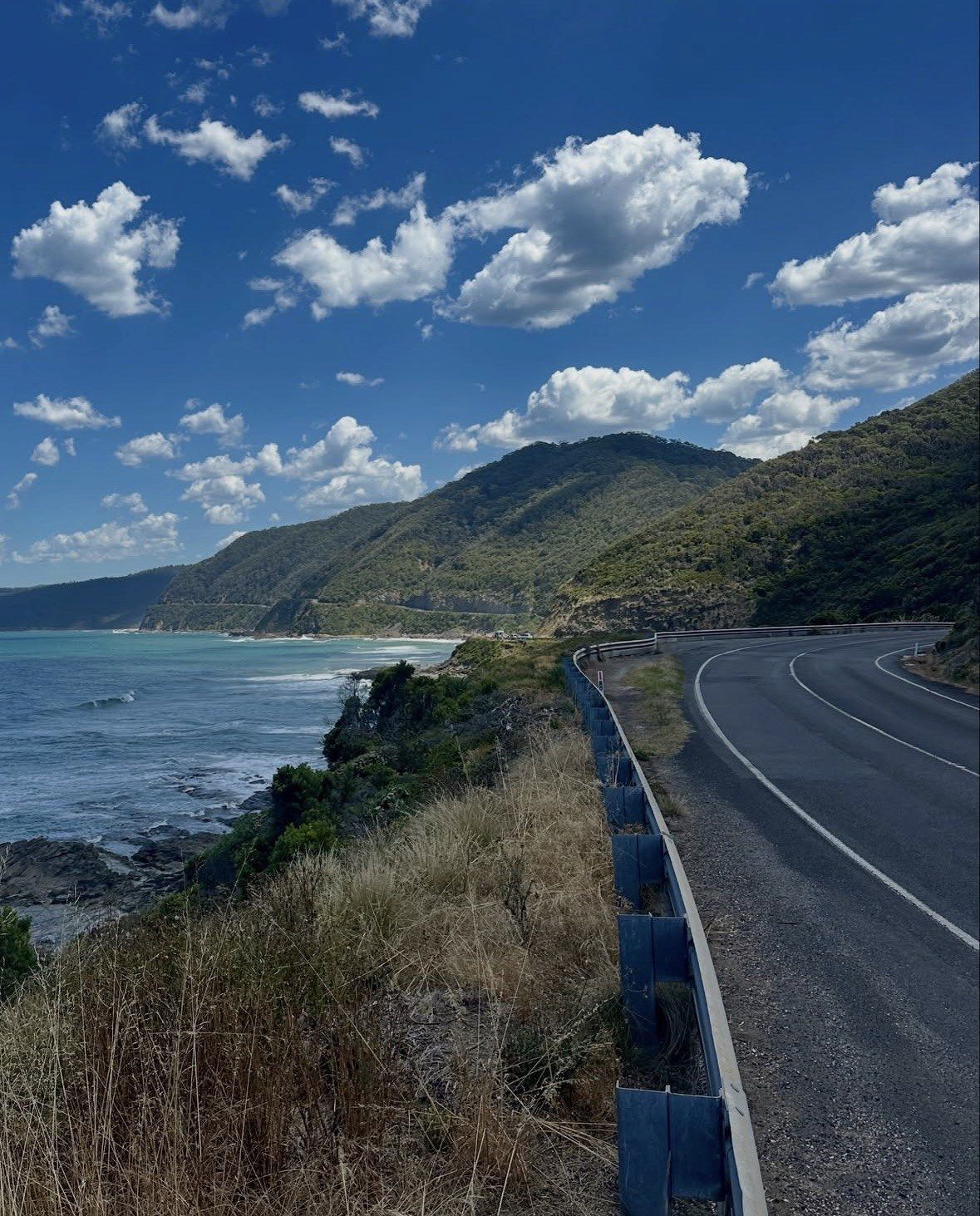
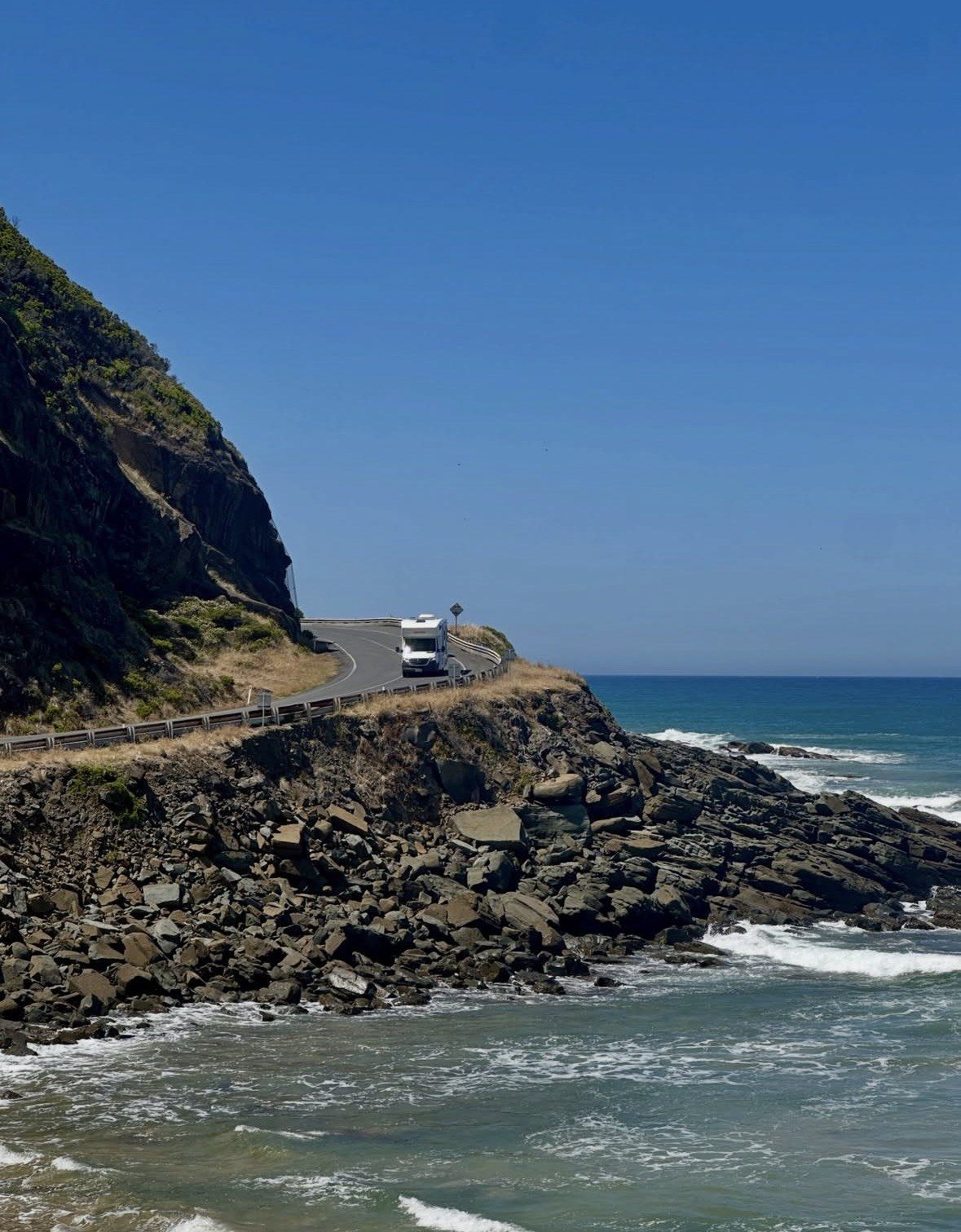
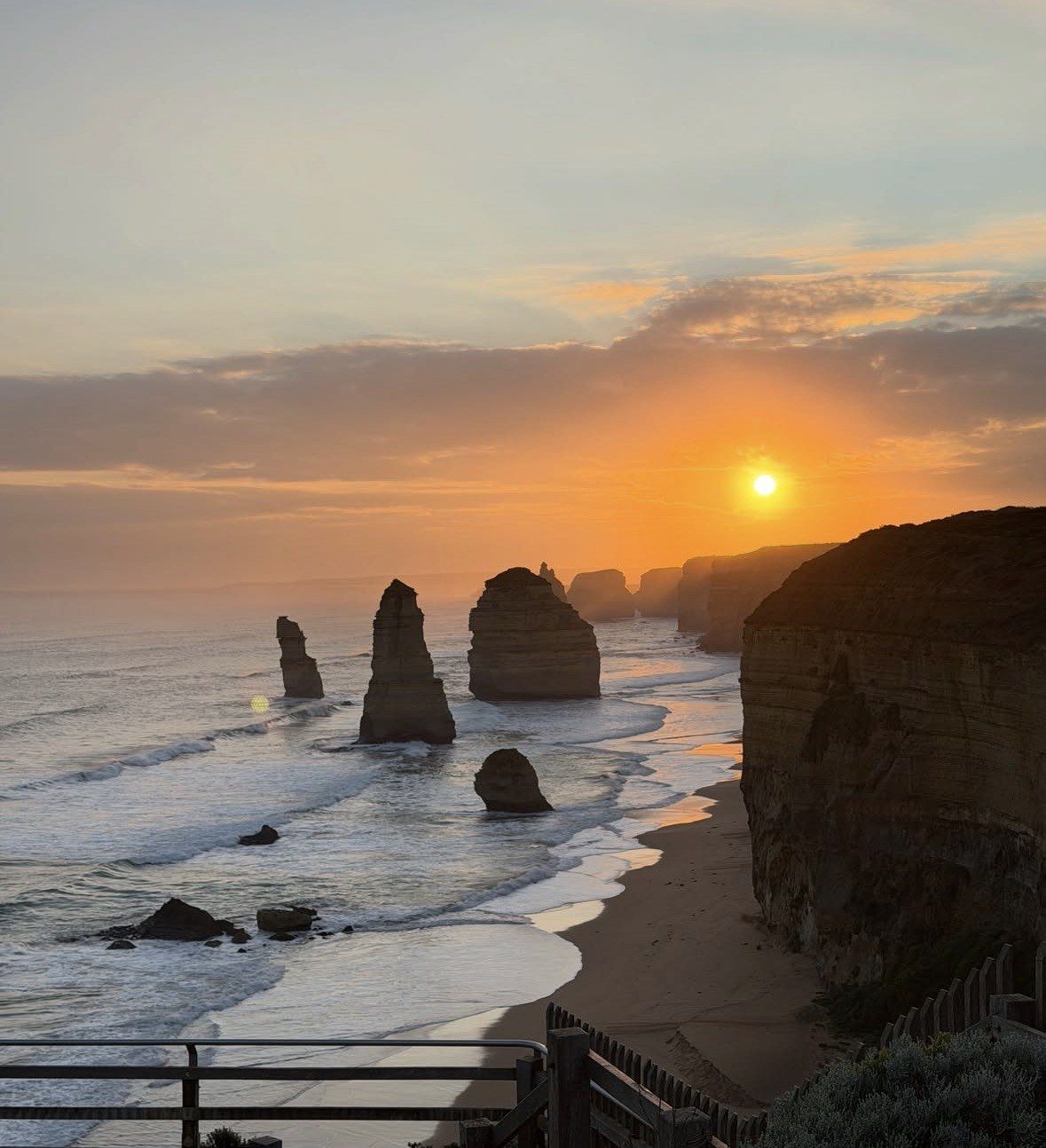
In shortKennett River is the answer for most visitors: the township sits at the midpoint of the Lorne to Apollo Bay stretch, and its koalas are in the gums along Grey River Road, the short side road the Authority identifies as the place where people gather to watch wildlife. The road in to Cape Otway Lightstation is the other forest stretch, and Tower Hill Wildlife Reserve near the western end is listed for koalas, emus, kangaroos and waterbirds. Look early or late, look up, and never feed or touch anything.
from $112starting price, 12-hour wildlife day tour with lunch
4.6 kmWye to Kennett River coastal walk, one way
24 car spacesparking in the adopted Kennett River precinct plan
1800 675 888hotline for reporting sick or dead wildlife
Where to see koalas on the Great Ocean Road
Koalas live in the gum trees of the forest section, and the dependable place to look is Kennett River, halfway between Lorne and Apollo Bay in Great Otway National Park. The Great Ocean Road Coast and Parks Authority names Grey River Road as the town's main tourist attraction and the spot where visitors gather to view wildlife, so that short road off the highway is where you park, walk and scan the canopy.
The second forest stretch is the access road in to Cape Otway Lightstation, which leaves the coast road between Apollo Bay and Princetown. The lightstation itself opens Friday to Tuesday, 9:30am to 4:30pm with last entry at 4pm according to the official site, and the 1848 tower is closed for conservation works, so treat the drive in as a slow look at the roadside bush rather than a guaranteed encounter.
Tower Hill is the third option, and it is a long way west: turn off the Princes Highway 18 km beyond Warrnambool, about 15 minutes from the middle of town, and you are inside the crater of an extinct volcano. The state tourism body promotes it for koalas, emus, kangaroos and waterbirds, and the park page names spring as the time for emu and swan chicks and kangaroo joeys. Warrnambool is about three hours south-west of Melbourne, which makes Tower Hill a second- or third-day stop rather than something you add to a single long day.
- Kennett River, Grey River Road: koalas in the trees, with cockatoos and king parrots around the roadside stops
- Road in to Cape Otway Lightstation: roadside gums on the way to the headland, 90 metres above the water
- Anglesea Golf Club course on the Surf Coast: about 300 Eastern Grey Kangaroos on mown grass
- Tower Hill Wildlife Reserve, west of Warrnambool: koalas, emus, kangaroos and waterbirds in one reserve
The Kennett River koala walk, and how the precinct works now
Space is the constraint at Kennett River. The final precinct plan provides 24 car spaces, four medium vehicle spaces, one long vehicle space, five motorcycle spaces and six bicycle hoops, and large tour coaches are not permitted to enter or stop within the precinct under the adopted plan. That is one reason a coach itinerary may name a different wildlife stop, and a good reason to arrive outside the middle of the day in a car.
Works are coming. Grey River Road is to be realigned to meet Hawdon Avenue at a right angle, creating a footpath and a gathering area for the crowds that come to view wildlife, funded with $3.19 million from the Geelong City Deal plus $0.5 million from DEECA, a total of $3.69 million, with construction scheduled to start in early 2026. New parking and tourist overflow infrastructure along Grey River Road sits outside the current scope, so only pedestrian-safety improvements to what already exists are planned.
Walkers who want more than the side road can arrive from Wye River instead: the track climbs and drops over 4.6 km one way, with steps and creek crossings, from the top of Morely Avenue by the Wye River hotel into Kennett River township. No official page states how far along Grey River Road the koalas usually sit, so walk slowly from the parking area and keep stopping to look up. These arrangements were checked in November 2026 and the precinct is under construction, so call the Authority on 1300 736 533 if your plan depends on parking.
Wildlife day with lunch included
Twelve hours in a small group, from $112, rated 5.0 ★ (18 reviews), with lunch and morning tea or coffee by the beach covered: the pick for anyone who cares more about seeing koalas and kangaroos than about covering distance.
★ 5.0/5 · 18 reviews
Kangaroos at dusk at Anglesea, and the volcano reserve in the west
About 300 Eastern Grey Kangaroos live on the Anglesea Golf Club course on the Surf Coast, which is the closest thing to a sure sighting at the eastern end of the road. The club runs a 25-minute guided Kangaroo Tour and asks guests to arrive at least 15 minutes early. Kangaroos graze in the open at dawn and dusk, which is also when they come onto the road itself, so the same hours that make for good viewing make for careful driving.
Check the date and the forecast before you count on one: the kangaroo walks are off on Christmas Day and on the mornings of Victorian public holidays, and they are called off when a total fire ban is declared, when the wind gets up or when the temperature passes 37 °C, with anything pre-booked refunded. Build in a fallback if you are travelling in January.
Tower Hill covers the same animals in one place at the far end of the route, inside the old volcano, with grassland and water that bring in emus, kangaroos and waterbirds alongside the koalas in the trees. Only assistance dogs are welcome in reserves like this one.
Spotting advice: time of day, looking up and keeping quiet
Early morning and late afternoon are the productive windows for everything on this list. Koalas spend the warm middle of the day wedged motionless in a fork high in a tree, which is why people walk straight past them: the search is at head height and the animal is eight metres up. Scan the junctions of trunk and branch, look for a grey lump that does not match the leaf shape, and move along the track slowly.
Quiet does most of the work. Groups that talk at normal volume, bang car doors and stand under a tree pointing phones upward usually get a koala that turns its back. Cockatoos and king parrots gather around the roadside stops and will land on people who look like a food source, which is exactly the behaviour that hand-feeding created; keep snacks in the car and keep your hands down.
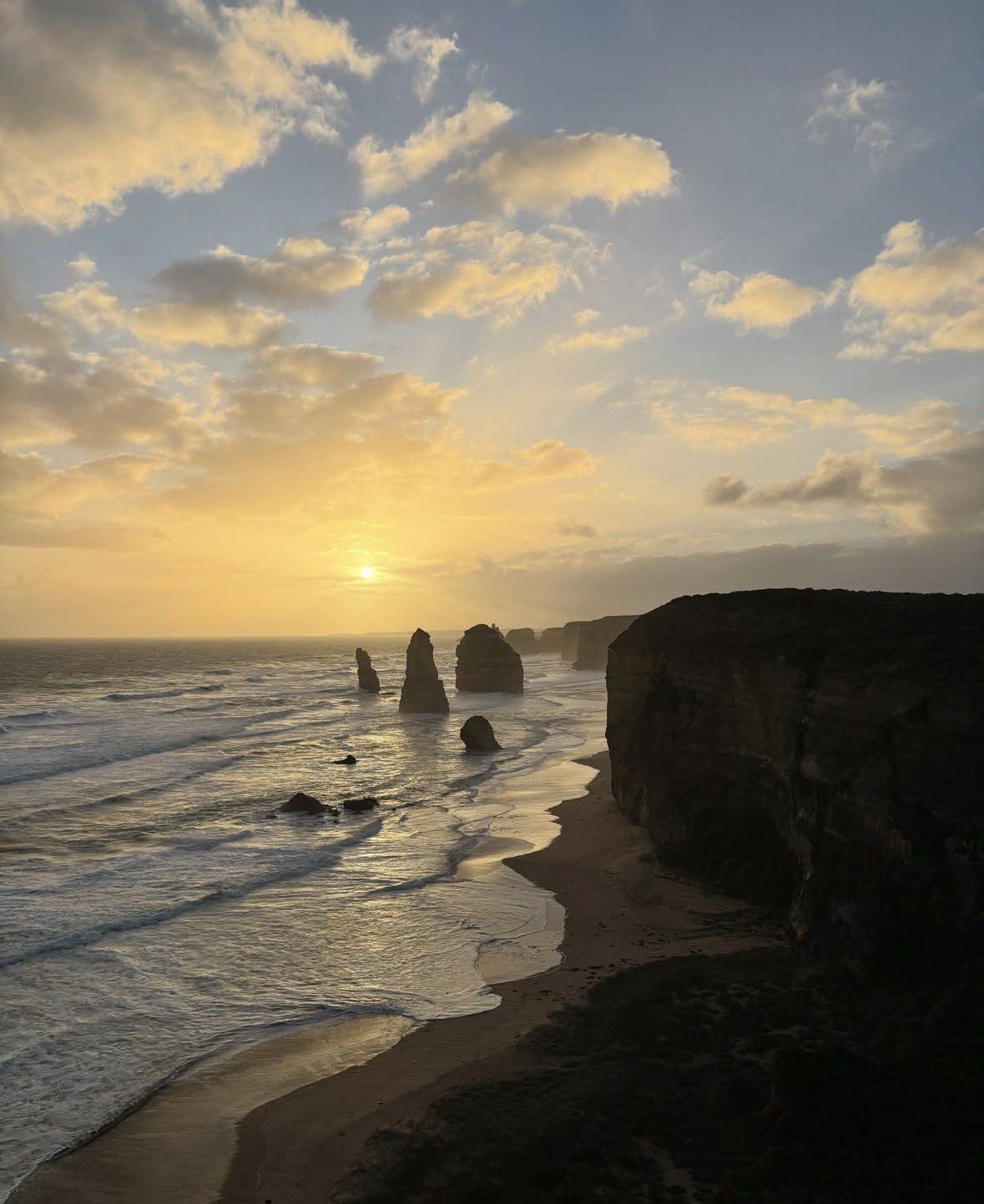
Dusk adds the coastal birds and the sea mammals. Below the Twelve Apostles and London Bridge lookouts the Little Penguins start crossing the sand about 10 to 15 minutes after the sun goes down, with most of the group in at 20 to 25 minutes, and their footprints stay in the sand afterwards; since 16 October 2026 you cannot reach those lookouts, or the car park, or the visitor centre without a booking, and the car park gate stays open until 9:00 PM. At Loch Ard Gorge the Short-tailed Shearwaters do the same thing at Mutton Bird Island, on any evening from October through April. Offshore, southern right whales are in Victorian waters from May to October, with the Logans Beach nursery at Warrnambool holding calving females from June to September, sometimes inside 100 metres of the sand.
Driving back after a dusk sighting is the part people underestimate. The Lorne to Apollo Bay stretch is narrow and winding, it takes longer than the map suggests, and the official advice is to stay off it after dark and to stop for a break every 45 to 60 minutes. Reception drops out along the way, so save your maps to the phone before you leave town.
| Place | What lives there | When to look | Note |
|---|
| Kennett River, Grey River Road | Koalas in the trees; cockatoos and king parrots at the roadside | Early morning or late afternoon | Large coaches cannot enter or stop in the precinct |
|---|
| Road in to Cape Otway Lightstation | Roadside gums on the way to the 1848 headland station | Friday to Tuesday, 9:30am to 4:30pm, last entry 4pm | Tower closed for conservation works |
|---|
| Anglesea Golf Club course | About 300 Eastern Grey Kangaroos | Dawn and dusk; 25-minute guided tour | Tours cancelled above 37 °C, in strong winds or on total fire ban days |
|---|
| Tower Hill Wildlife Reserve | Koalas, emus, kangaroos, waterbirds | Spring for emu and swan chicks and kangaroo joeys | 18 km west of Warrnambool; assistance dogs only |
|---|
| Twelve Apostles and London Bridge lookouts | Little Penguins returning to the beach | 10 to 15 minutes after sunset, most 20 to 25 minutes after | Precinct entry has required a booking since 16 October 2026 |
|---|
| Mutton Bird Island, Loch Ard Gorge | Short-tailed Shearwaters | Dusk, October to April | Named after the clipper Loch Ard, wrecked here in 1878 |
|---|
| Logans Beach, Warrnambool | Southern right whales with calves | June to September, often within 100 metres of shore | Dune platform open year-round, with a ramp |
|---|
The rules that apply to wildlife along this coast
Bird flu is the current reason to keep your distance as well as your hands to yourself: an H5 warning applies across the parks along this road. Leave any sick or dead animal where it is and call the Emergency Animal Disease Hotline on 1800 675 888 with the location. That covers the parrots at the roadside stops, the waterbirds at Tower Hill and anything you find on a beach, and it applies whether the animal looks injured or simply unwell.
Feeding is out. Under the Wildlife Act 1975 the Authority is blunt about what hand-feeding does: animals stop foraging properly, crowd together in numbers that pass disease between them, end up with dietary deficiencies and turn aggressive. Handling wild animals is equally out, koalas included. For koalas specifically, the regional tourism body's advice is to stand on a walking trail or in a designated viewing area and to stay off the road shoulders.
Leave the dog at home for the coastal park section: no dogs at the Twelve Apostles, none at Loch Ard Gorge, none in Port Campbell National Park as a whole, and reserves such as Tower Hill take assistance dogs only. If you are travelling with a dog, plan the coastal national park section around that restriction rather than hoping for a car-park compromise.
- Do not touch sick or dead wildlife; phone 1800 675 888 with the location
- No feeding and no handling, under the Wildlife Act 1975
- Koalas: stand on a walking trail or in a marked viewing area, off the road shoulder
- No dogs in the coastal national park; assistance dogs only in reserves
- General park enquiries: 1300 736 533
Which tour to take, or what to confirm on the one you have
If wildlife is the reason you are going, take the tour that is built around it. Premium Small Group Great Ocean Road & Wildlife with Lunch is the one with the animals in the title: 12 hours, from $112, rated 5.0 ★ (18 reviews), with lunch and morning tea or coffee by the beach covered, plus an extra lookout photo stop if the day runs to time. Pickups run from behind Federation Square at 7:00 am, Chinatown at 7:05 am, Radisson on Flagstaff Gardens at 7:15 am, Adina Apartment Hotel at 7:20 am, Rendezvous Hotel at 7:25 am and The Savoy Hotel at 7:30 am, looking for a bus marked 'Nara Day Tour & Charter'.
If you have already booked a general day tour, ask the operator one question before you travel: which wildlife stops are on the route for your date. Coaches cannot enter or stop inside the Kennett River precinct, so a large-vehicle itinerary will handle the forest section differently, and the wording on a booking page rarely says which stop it means.
For travellers who want the length of the coast rather than the animals, the 14-hour small-group eco day from $112, rated 4.9 ★ (7098 reviews), lists hotel pickup, WiFi on board, national park fees and coffee and/or tea, and the 13-hour classic small-group day from $98, rated 4.8 ★ (354 reviews), keeps the familiar west-bound order with morning tea. The wildlife day holds the highest mark on this site but on a small number of ratings, while the eco day has been rated thousands of times across every season. All three allow free cancellation up to 24 hours before the departure time, so an August forecast of 27.6 km/h winds is still something you can act on. Ratings and starting prices here were read in November 2026; both shift as new reviews accumulate.
| Tour | Duration | From | Food included | Rating ★ (reviews) | Best for |
|---|
| Premium Small Group Great Ocean Road & Wildlife with Lunch | 12 hours | from $112 | Lunch, morning tea or coffee by the beach | 5.0 ★ (18 reviews) | Wildlife focus with meals handled |
|---|
| Great Ocean Road Small-Group Eco Tour from Melbourne | 14 hours | from $112 | Coffee and/or tea | 4.9 ★ (7098 reviews) | The longest single day and the most reviewed |
|---|
| Small-Group Great Ocean Road Classic Day Tour from Melbourne | 13 hours | from $98 | Morning tea | 4.8 ★ (354 reviews) | Classic west-bound order in a small group |
|---|
Questions people ask
Are koalas guaranteed at Kennett River?
No. These are wild animals in the trees of Great Otway National Park, and no official page publishes a current population estimate or a stretch of Grey River Road where they always sit. Go early in the morning or late in the afternoon, walk the road slowly rather than driving it, and search the forks of the big gums rather than eye level. Keep your voice down and you will get a better look at the ones you do find.
Do I need to book anything to see wildlife along the route?
For the guided kangaroo walk on the Anglesea golf course, yes, and guests are asked to arrive at least 15 minutes early. For the dusk penguin return below the Twelve Apostles and London Bridge lookouts you need a Twelve Apostles precinct booking, compulsory since 16 October 2026 and covering the car park and lookouts. Kennett River and the Logans Beach whale platform need no reservation, but Kennett River parking is limited to a couple of dozen car spaces under the adopted plan.
Is the Wye to Kennett River Walk open, and what else is closed nearby?
The 4.6 km one-way coastal track between Wye River and Kennett River is the signposted walk, with steps and creek crossings along the way. Inland of the township the picture is worse: Kennet Road and the Kennet-Wye Jeep Track appeared on the closed list after flood damage in January, and Wye Road has no reopening date. Conditions on this coast change through the year, so phone 1300 736 533 before you commit a walking day to it.
Can I see koalas and whales on the same trip?
Yes, if you travel in winter or early spring. Koalas are in the forest year-round, while southern right whales use Victorian waters from May to October and calve at Logans Beach, Warrnambool, between June and September. Humpbacks pass Victoria twice, heading north in June and July and south again in September and October. Spring also brings emu and swan chicks and kangaroo joeys at Tower Hill, which makes September a strong month for a wildlife-led trip.
Which wildlife stops are accessible?
The Logans Beach whale-watching platform sits in the dunes on Logans Beach Road, Warrnambool, is open year-round and has a ramp for accessible viewing. At the Twelve Apostles the precinct lists accessible parking and accessible restrooms, Changing Places and a Family Change Room, a sensory room, and trails and viewing platforms built for wheelchairs. Kennett River is a roadside precinct currently being rebuilt with a footpath and gathering area, so check its status for your date on 1300 736 533.
Read also