Great Ocean Road Stops, in Order from Torquay to Allansford
The stops in driving order, from the eastern start at Torquay to the western end at Allansford, with what is at each one and how long it holds you. The map shows which sites sit on the road itself and which need a turn inland.
In shortThe Great Ocean Road stops run west from Torquay to Allansford, 242 kilometres of memorial road added to Australia's National Heritage List in 2011. Surf Coast towns come first, then Kennett River, Apollo Bay and the Cape Otway turnoff in the Otways, then the Shipwreck Coast: Gibson Steps, the booked Twelve Apostles precinct, Loch Ard Gorge, Port Campbell and the sites west of it.
242 kmmemorial road from Torquay to Allansford
6am to 9pmTwelve Apostles car park opening hours
45 to 60 minutesadvised driving break on the Lorne to Apollo Bay section
14 hourslongest single-day tour from Melbourne on this site
Lookouts and coastal sightsTowns along the roadVisitor centres
The route runs 242 kilometres from Torquay to Allansford, with the Twelve Apostles precinct at Princetown and the visitor information centre on the Apollo Bay foreshore.
The map of the Great Ocean Road, and which stops need a detour
The map on this page lays the route out in driving order: Torquay at the eastern start, Allansford at the western end, 242 kilometres of memorial road between them. The Great Ocean Road and Scenic Environs went onto Australia's National Heritage List in 2011, and the listing covers the road together with the coast and country around it. Read the order of stops before you travel rather than on the day, because mobile phone reception along the route is unreliable; the regional tourism body tells visitors to download maps and accommodation details before setting out.
Most of the sites people come for are roadside: you park, walk a few minutes, and drive on. Three groups work differently. The Twelve Apostles precinct is entered from Booringa Road at Princetown, about 7 kilometres east of Port Campbell, through a boom gate for cars and a separate boom gate for coaches and coasters, and a booking is required to pass it. Cape Otway Lightstation and the Otway Fly treetop walk sit inland, each costing you a return drive off the coast. At Kennett River the wildlife viewing happens along Grey River Road, which turns off the main road, and large tour coaches are not permitted to enter or stop within the precinct.
Each stop in the lists below has its own page on this site with hours, access notes and the tours that include it. Conditions on this coast change often, so the access notes here were checked in November 2026.
Stop
Section
On the road or a detour
Access note
Torquay
Surf Coast
On the road, eastern start
Route begins here; the coast and parks Authority works from this town
Bells Beach
Surf Coast
On the road
Rip Curl Pro every Easter; Longboard Classic 2-6 December 2026
Anglesea
Surf Coast
On the road
Guided kangaroo tour at the golf club runs 25 minutes
Aireys Inlet
Surf Coast
On the road
January mean maximum 23.2 °C, 620.4 mm of rain a year
Lorne
Surf Coast
On the road
Erskine and Phantom Falls listed as temporarily closed
Kennett River
Otways
Grey River Road turns off the coast road
Large tour coaches not permitted in the precinct
Apollo Bay
Otways
On the road
Visitor information centre at 100 Great Ocean Road
Cape Otway Lightstation
Otways
Inland detour
Friday to Tuesday, 9:30am to 4:30pm, last entry 4pm; tower closed
Otway Fly
Otways
Inland detour
Daily 9am to 5pm, last entry 3:30pm; book the zipline online
Gibson Steps
Shipwreck Coast
On the road
Beach access reopened in February 2026
Twelve Apostles precinct
Shipwreck Coast
Booringa Road, Princetown
Booking required since 16 October 2026 for car park and lookouts
Loch Ard Gorge
Shipwreck Coast
On the road
Steps to the sand usable again since late October 2026
Port Campbell
Shipwreck Coast
On the road
Discovery Walk is a separate roadside site
Four lookouts west of town: The Arch, London Bridge, The Grotto, Blowhole
Shipwreck Coast
On the road, west of Port Campbell
Little penguins come ashore below the London Bridge lookout at dusk
Warrnambool and Tower Hill
Shipwreck Coast
Tower Hill 18 km west off the Princes Highway
Whales at Logans Beach June to September; assistance dogs only at Tower Hill
Allansford
Shipwreck Coast
On the road, western end
242 km from Torquay
Surf Coast: Torquay, Bells Beach, Anglesea, Aireys Inlet, Lorne
Torquay is a town stop rather than a lookout. The memorial road begins here, and the Great Ocean Road Coast and Parks Authority, the Victorian government body that manages the coast and the parks along the route, works from the town. Fill the tank, buy food for later, and keep moving.
Bells Beach is a clifftop viewing stop on an ordinary day and a crowd on a competition weekend. Two dates turn it into the second kind: Easter, when the Rip Curl Pro runs, and 2-6 December 2026, the window set for the Bioglan Bells Beach Longboard Classic. Long enough to walk to the viewing platform and back unless surf is the reason you came.
Anglesea earns a longer stop for two reasons. About 300 Eastern Grey Kangaroos live on the golf course, and the club runs a 25-minute guided kangaroo tour; guests are asked to arrive at least fifteen minutes early, and tours do not run on Christmas Day or on the mornings of Victorian public holidays, and are cancelled on total fire ban days, in strong winds or when the temperature passes 37 °C. The town is also one of the two sensible places to eat, because many cafes and bakeries along the route close by 2:30pm.
At Aireys Inlet the weather changes character: a January mean maximum of 23.2 °C and only 620.4 mm of rain a year, against 1060.0 mm further west at Apollo Bay. The afternoon sea breeze averages 20.9 km/h at 3pm and peaks at 22.6 km/h in September, so a clifftop stop here feels windier after lunch than before it. Southern right whales have been recorded off Fairhaven, just along the coast.
West of Aireys Inlet the road passes under the memorial arch, which is where the story of the road belongs: more than 3,000 returned servicemen built it between 1919 and 1932 as a memorial to those killed in the First World War. Stop for a photograph, then carry on to Lorne.
Lorne is the first town where staying the night makes sense, with a January mean maximum of 23.0 °C and 108.7 mm of rain in August. Do not build a day around the waterfalls behind the town without checking first: Erskine Falls, Phantom Falls, Won Wondah and Henderson Falls, St Georges River Loop and Cora Lynn Cascades were all listed as temporarily closed at the time of research.
The full-coast day from Melbourne
Fourteen hours from $112, with pickup from a selected hotel, national park fees handled and free cancellation up to 24 hours before departure: the longest single day on this site, and the one that reaches the most stops between the Surf Coast and Loch Ard Gorge.
Otways: Kennett River, Apollo Bay, Cape Otway and Otway Fly
Kennett River sits halfway between Lorne and Apollo Bay, and koalas are seen in the trees of the Great Otway National Park here. Grey River Road is the spot where people gather to look. Do the looking from a walking trail or a designated viewing area, which is what the official koala-spotting advice asks for, and leave the roadside pull-ups alone; feeding or touching the animals is out. The Authority, working under the Wildlife Act 1975, sets out why: hand-fed wildlife loses its foraging skills, gathers in unnatural numbers that spread disease, develops dietary deficiencies and becomes aggressive. The adopted precinct plan provides 24 car spaces along with medium and long vehicle, motorcycle and bicycle parking, with construction scheduled to start in early 2026, and large tour coaches may not enter or stop inside the precinct.
Walkers have the undulating Wye to Kennett River Walk, 4.6 km one way with steps and creek crossings, starting at the top of Morely Avenue near the Wye River hotel and finishing in Kennett River township. Several seasonal tracks nearby, including Kennet Road and the Kennet-Wye Jeep Track, remain closed after January flood damage, and Wye Road is closed until further notice.
Apollo Bay is the natural lunch stop and the natural overnight. The Great Ocean Road Visitor Information Centre is on the foreshore at 100 Great Ocean Road, reachable on 1300 689 297. The town is also the eastern trailhead of the Great Ocean Walk, more than 100 kilometres to the Twelve Apostles, designed to be walked east to west for the better views and easier gradients and usually taken over eight days; its seven hike-in campsites hold a maximum of three guests each and must be booked before you walk, with the booking acting as your permit, and groups are asked to register their itinerary at least 14 days ahead.
Cape Otway Lightstation is the biggest detour of the route and the one most often ruined by the calendar. It opens Friday to Tuesday, 9:30am to 4:30pm with last entry at 4pm, and closes on Christmas Day, so a Wednesday or Thursday itinerary built around it fails. The lighthouse dates from 1848, is the oldest surviving on mainland Australia and stands 90 metres above the ocean; the tower itself is closed for heritage conservation works, with no climbs or interior access, which leaves the grounds and the buildings. Allow a couple of hours including the drive in and out.
Otway Fly is the second inland detour, behind Apollo Bay. The stop itself is a steel walkway 600 metres long, carried 25 to 30 metres up in the rainforest canopy, with the gate open daily 9am to 5pm, Christmas Day excepted, and nobody admitted after 3:30pm. Add the guided zipline and you are committing 2.5 hours, up to 30 metres above the forest; reserve that online, since turn-up spaces may not exist on the day. The walkway alone is a stop of about an hour; the zipline makes it a half day, which only fits if the Apostles are your late stop and not your early one.
Shipwreck Coast: Gibson Steps to Allansford
Gibson Steps is a separate roadside car park reached straight from the Great Ocean Road, east of the Twelve Apostles precinct. Beach access officially reopened in February 2026 after specialist geotechnical inspections confirmed the site was safe, so for the first time in years you can stand on the sand under the cliffs. Count the walk down and back, plus time at the bottom.
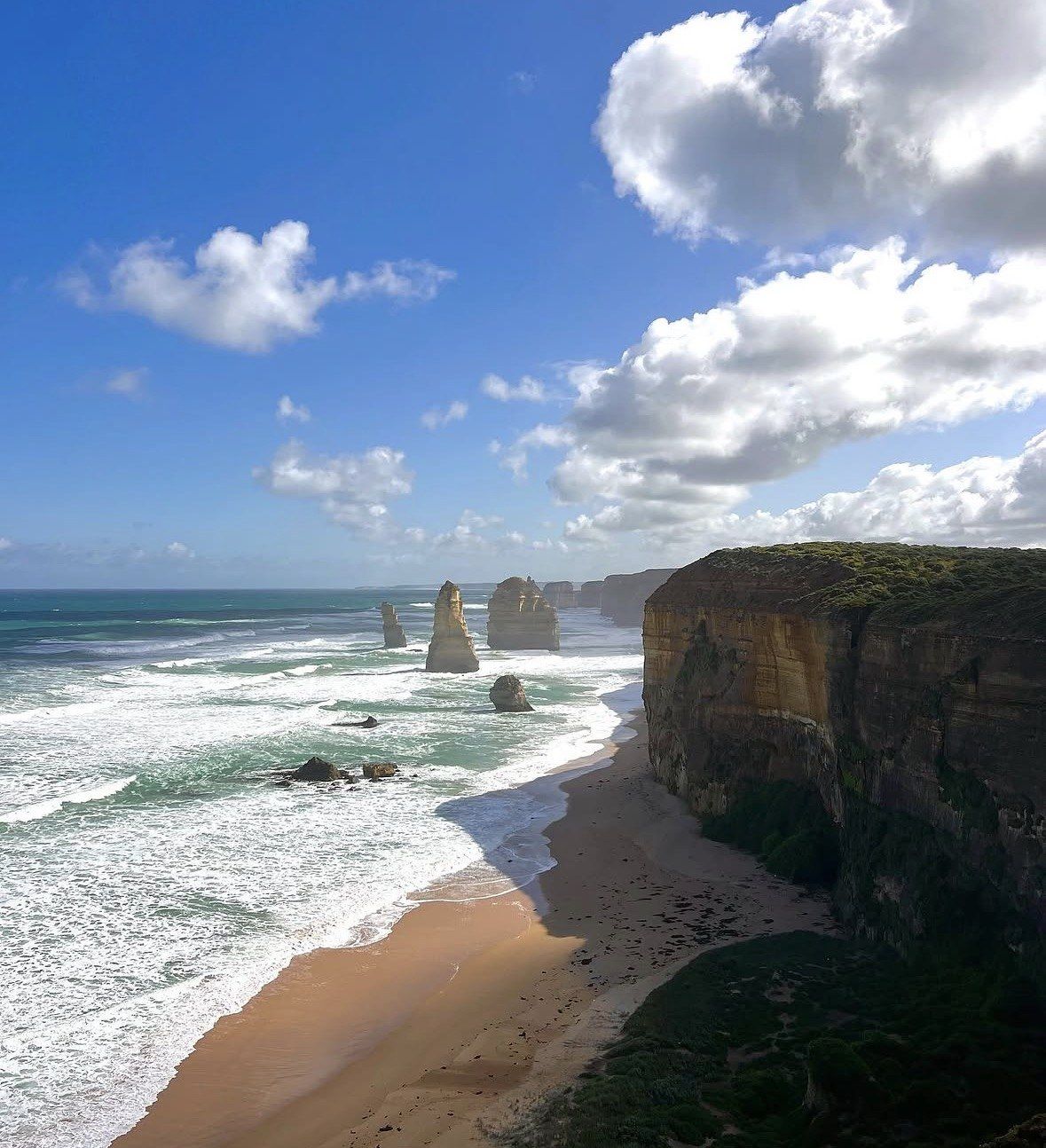
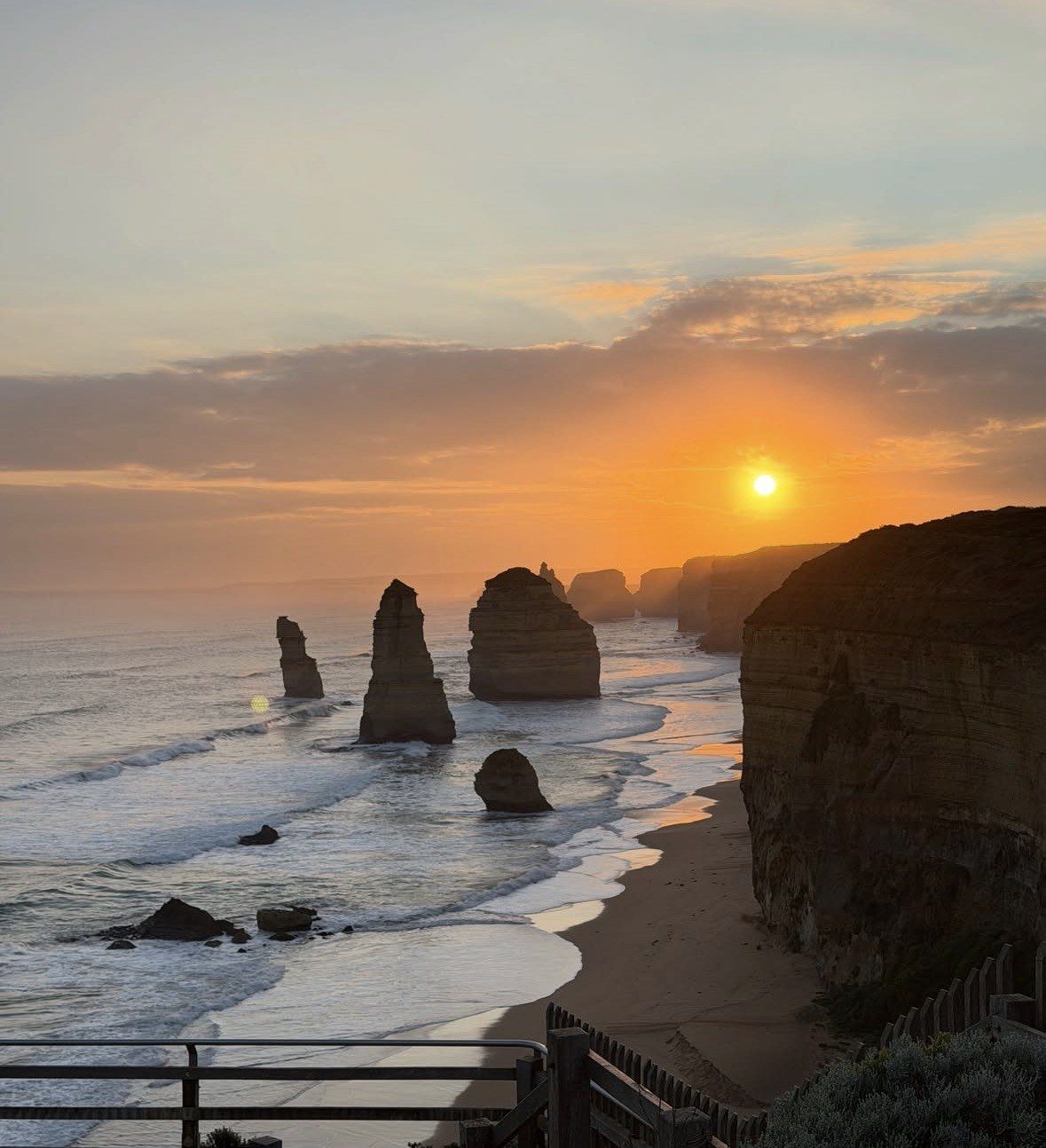
The Twelve Apostles precinct is the longest stop on the coast and the only one your vehicle enters on a booking. Bookings began on 16 October 2026, the day the Keerray Woorroong Visitor Centre opened, and what you reserve is the whole precinct behind the boom gate, the car park and the clifftop lookouts included. Eastern Maar Aboriginal Corporation chose that name, which belongs to both the Country and the language of the Traditional Owners of this region. Two sets of hours apply at the stop: the official site lists the centre daily 8:00 AM to 8:00 PM with the last arrival taken at 7pm, while the car park works a wider window of 6:00 AM to 9:00 PM with no restriction on when you drive out. The redevelopment gives the stop a rooftop observation deck, a 230-seat cafe, a kiosk, gallery and exhibition space and native gardens, and the access side is covered too: accessible parking and restrooms, Changing Places and a Family Change Room, a sensory room, plus trails and viewing platforms usable in a wheelchair. Small-group operators now build the centre into the itinerary and give passengers around 80 minutes covering both the centre and the lookout, which is a fair guide for a self-drive stop too. From April 2027 the booking carries a fee; no figure has been published, and the Victorian minister responsible has gone no further than calling it really small.
Timing decides what this stop feels like. Annual visitor numbers sit above 2 million, the Victorian government is aiming at 6 million, and the land manager's own line is that the place stays busy in every season, with early morning and later afternoon the gaps to aim for. Staying to dusk buys a second sight: Little Penguins landing on the beach under the lookouts, the first usually 10 to 15 minutes after sunset and most of them 20 to 25 minutes after, with tracks left across the sand. Dogs are not allowed.
Loch Ard Gorge is a separate roadside site a few minutes west, named after the clipper Loch Ard, which struck Mutton Bird Island in 1878. The stairs to the sand had been out of use since May 2023, shut after rock falls and a crack found in the cliff face; the essential safety repair works are finished and beach access came back in late October 2026, which almost no itinerary has caught up with yet. Mutton Bird Island draws Short-tailed Shearwaters back at dusk through the October to April months. Half an hour covers the main lookouts; longer if you go down to the sand.
Port Campbell is the town to sleep in at this end, about 7 kilometres west of the precinct entrance, and the Port Campbell Discovery Walk is another roadside site reached directly from the road. West of town the stops come quickly: London Bridge, The Arch, The Grotto and the Blowhole, called Poombeeyt Koontapool, each a short walk from its own car park. Little penguins also come ashore below the London Bridge lookout at dusk. These four are the stops a day tour from Melbourne cannot reach, because they lie past the point where the coach turns around.
The last stretch runs towards Warrnambool, about three hours south-west of Melbourne, and the memorial road ends at Allansford. Southern right whales calve at Logans Beach between June and September, often within 100 metres of the shore, and the viewing platform on Logans Beach Road sits in the dunes, is open year-round and has a ramp for accessible viewing; a nursery exclusion zone keeps powered watercraft out from 1 June to 31 October. Tower Hill Wildlife Reserve, inside an extinct volcano 18 km west of Warrnambool off the Princes Highway and roughly a 15-minute drive from the city centre, is the reliable place for emus, kangaroos, koalas and waterbirds, with spring best for emu and swan chicks and kangaroo joeys; only assistance dogs are allowed. Flagstaff Hill Maritime Museum and Village runs a By Day session from 9:30 am to 4:00 pm with a costumed Heritage Walk at 11:30 am.
Driving notes for the Great Ocean Road route
Australia drives on the left, and the regional tourism body asks drivers to use the slow-vehicle turnouts rather than hold up the queue behind them. Stopping for photographs on blind corners or across private driveways is prohibited by the region's road-use advice, which matters most on the cliff sections where the shoulder looks wider than it is.
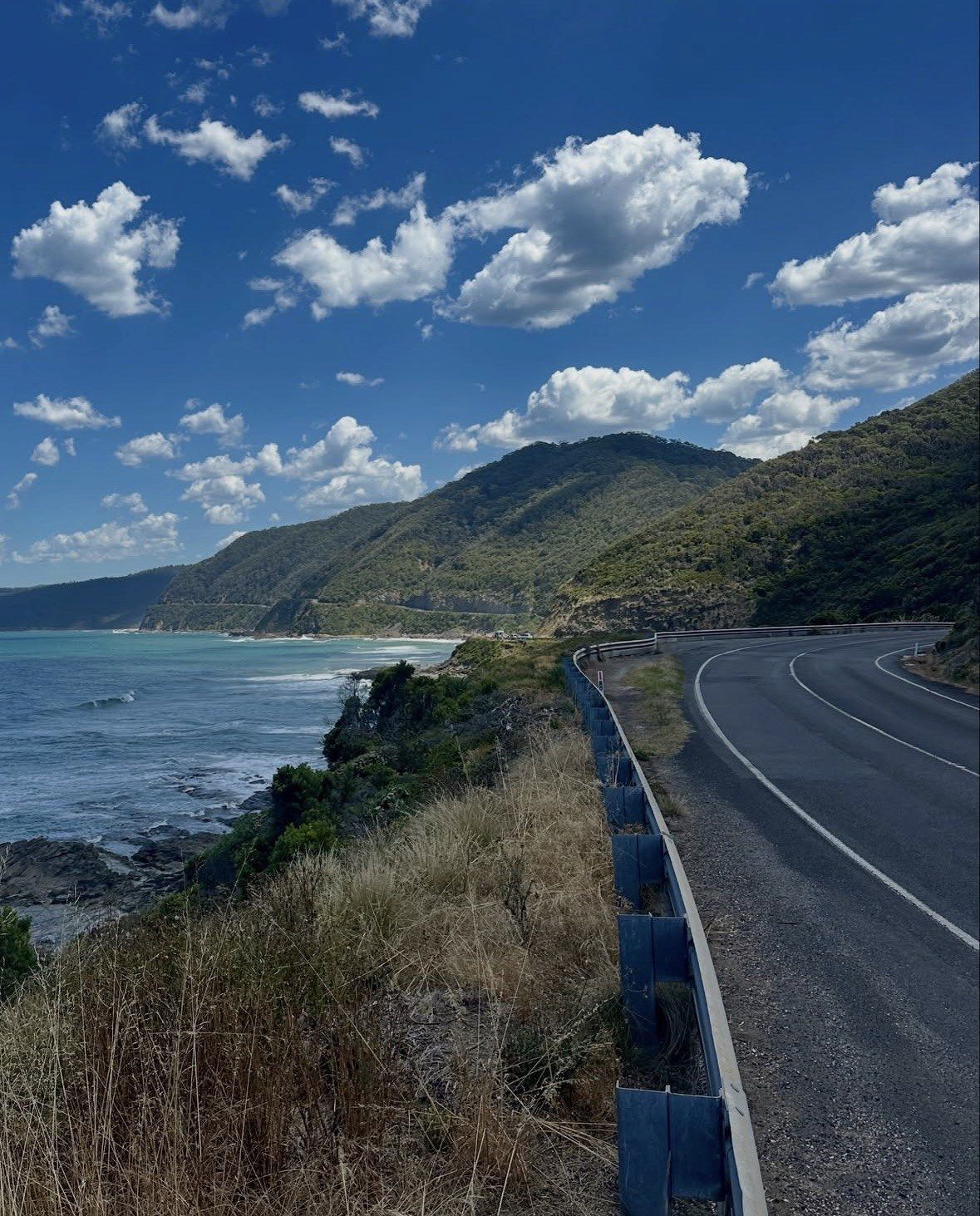
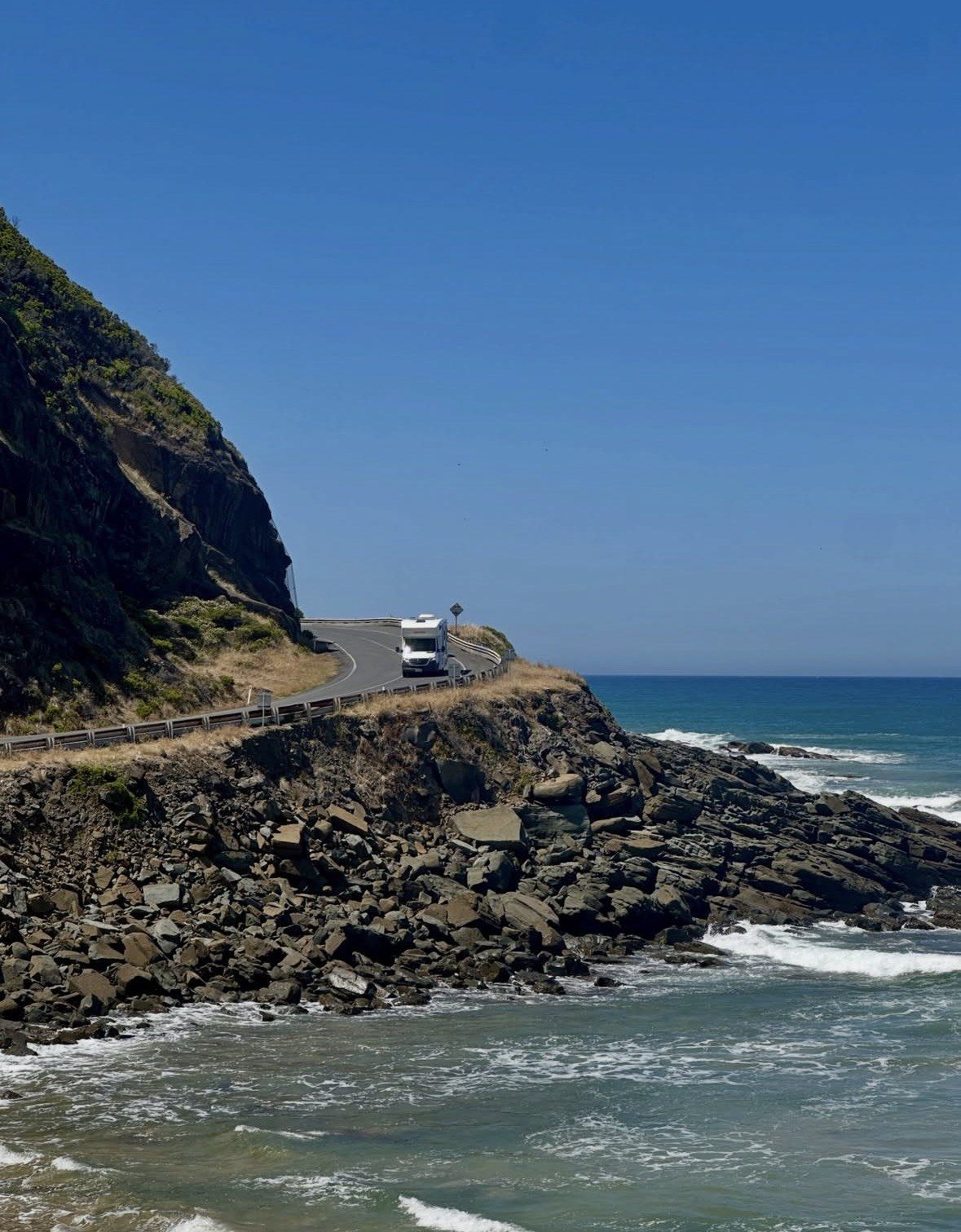
Between Lorne and Apollo Bay the road tightens up: narrow lanes, bend after bend, low average speed. Official advice is to avoid driving it at night and to break every 45 to 60 minutes, which is one reason the mid-route stops at Kennett River and Wye River exist in the first place. Kangaroos are active at the ends of the day, and the posted travel times will not match what your map app promises.
Pitching a tent outside a designated site is prohibited across much of the region, and councils issue fines for it. For December or January, arrange accommodation months ahead: Victorian school summer holidays run from Monday 21 December 2026 to Wednesday 27 January 2027, the heaviest window on this coast. The parks along the road are under an active H5 bird flu warning, so leave sick or dead wildlife untouched and call the Emergency Animal Disease Hotline on 1800 675 888 to report it.
Which stops a day tour covers, and what needs two or three days
A single day from Melbourne covers the eastern two thirds of the route and the central Shipwreck Coast sites, and nothing west of Port Campbell. The region's own tourism body advises against driving the whole road in one day and suggests spreading it across at least two or three days, which is also the only way to be on the coast at dusk, when the shearwaters and the penguins come in and when the Twelve Apostles car park is still open after the visitor centre has stopped taking arrivals.
If a day tour is the realistic option, the running order matters more than the stop list. A reverse itinerary drives inland first and reaches the Apostles before the midday wave, then works back along the coast in the afternoon, which lines up with the land manager's advice to come early or late. Note also that large tour coaches cannot enter the Kennett River precinct, so how a given tour handles its koala stop is worth asking about.
Covered on a one-day tour from Melbourne: the Surf Coast towns, the memorial arch, a koala stop around Kennett River, a meal break at Apollo Bay, one short Otways walk, the booked Twelve Apostles precinct and Loch Ard Gorge.
Out of reach in one day: London Bridge, The Arch, The Grotto and the Blowhole, all west of Port Campbell, plus Warrnambool, Logans Beach and Tower Hill at the far end.
Needs a second day: Cape Otway Lightstation, open Friday to Tuesday only with last entry at 4pm, and Otway Fly, with last entry at 3:30pm.
Needs an overnight on the coast: shearwaters at Mutton Bird Island between October and April, and penguins below the Twelve Apostles and London Bridge lookouts after sunset.
Needs months of planning: the Great Ocean Walk, more than 100 kilometres over about eight days with campsites booked in advance and itineraries registered 14 days ahead.
Questions people ask
Which Great Ocean Road stops need a booking?
The Twelve Apostles precinct is the one stop where entry is controlled: since 16 October 2026 a booking is required for the car park and the lookouts as well as the visitor centre, and vehicles pass a boom gate on Booringa Road. The official pages do not state a booking requirement either way for Gibson Steps or Loch Ard Gorge, which are separate car parks, so check before you travel. Arrival slots open to tour operators and regional partners four months out, well before most individual visitors start planning.
Can I drive the stops west to east instead?
Yes, and some tours do a version of it: a reverse itinerary runs inland to the Twelve Apostles first, then returns eastward along the coast in the afternoon. For walkers it is the opposite story, because the Great Ocean Walk is designed to be walked east to west, from Apollo Bay towards the Twelve Apostles, for the better views and more manageable gradients.
Are dogs allowed at the stops along the route?
Three stops on this list are closed to dogs: the Twelve Apostles, Loch Ard Gorge and Port Campbell National Park as a whole. At Tower Hill Wildlife Reserve, near the western end, only assistance dogs are welcome. Plan the Shipwreck Coast section of the route as a dog-free day.
Where should I plan to eat between the stops?
Treat Anglesea on the Surf Coast and Apollo Bay in the Otways as the eating stops, because many cafes and bakeries along the route close by 2:30pm. Carry something for the afternoon, particularly if the Shipwreck Coast is your late section. The Twelve Apostles precinct has a 230-seat cafe and a kiosk, with the centre open daily from 8:00 AM to 8:00 PM and last arrival at 7pm.
Which stops are worth staying for at dusk?
Below the Twelve Apostles and London Bridge lookouts, Little Penguins come ashore after sunset, typically starting 10 to 15 minutes after and with most arriving 20 to 25 minutes after. Loch Ard Gorge is the other dusk stop, with Short-tailed Shearwaters coming in to Mutton Bird Island from October through April. The Twelve Apostles car park closes at 9:00 PM and cars may leave at any time, but night driving on the Lorne to Apollo Bay section is best avoided, so stay nearby rather than heading back up the coast.
Pick the stops, then pick the tour that reaches them
The 12-hour reverse-itinerary small-group tour from $70 runs inland first to reach the Twelve Apostles ahead of the midday arrivals, with hotel pickup in the Melbourne CBD and Southbank, national park entry fees included and free cancellation up to 24 hours before departure.