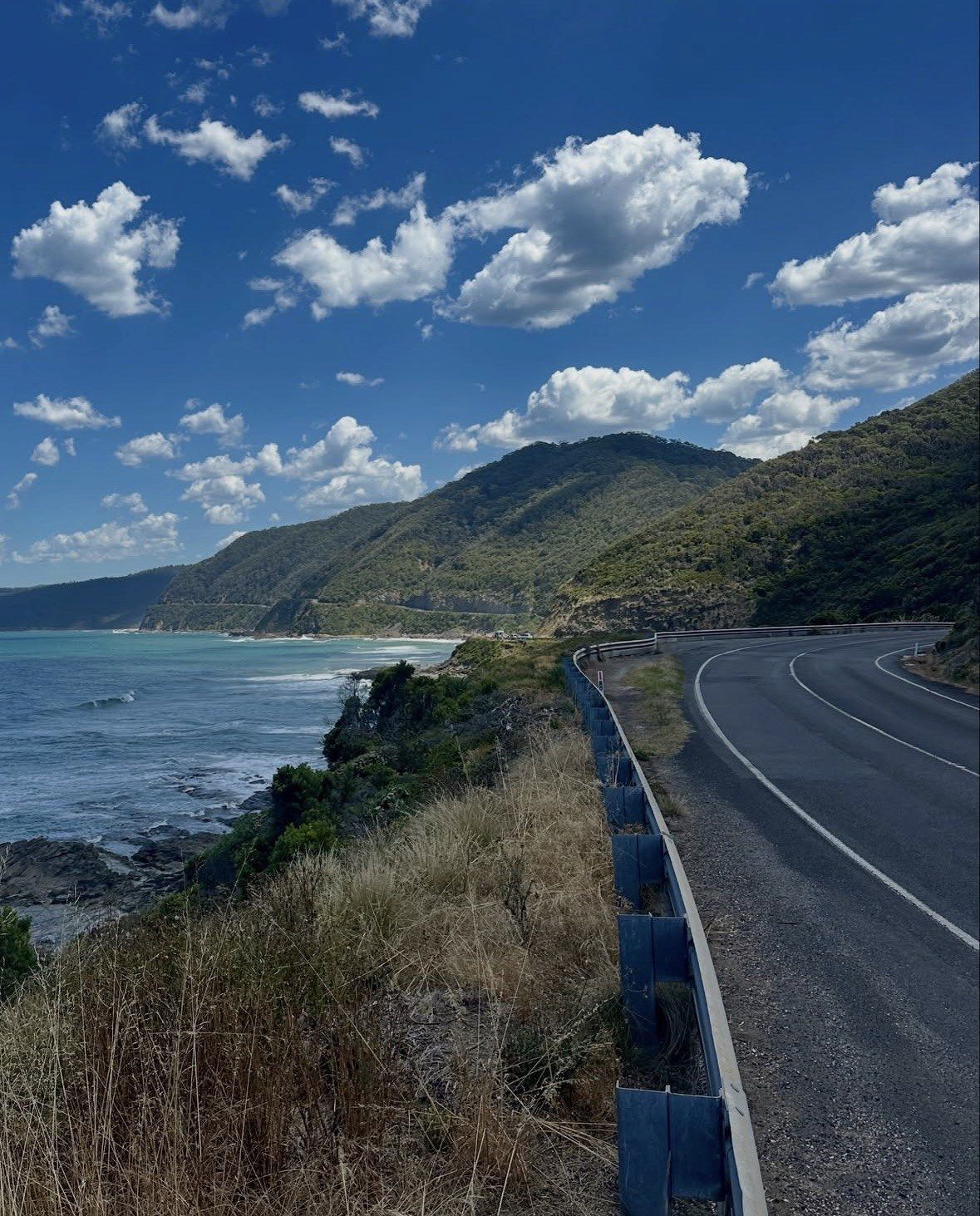
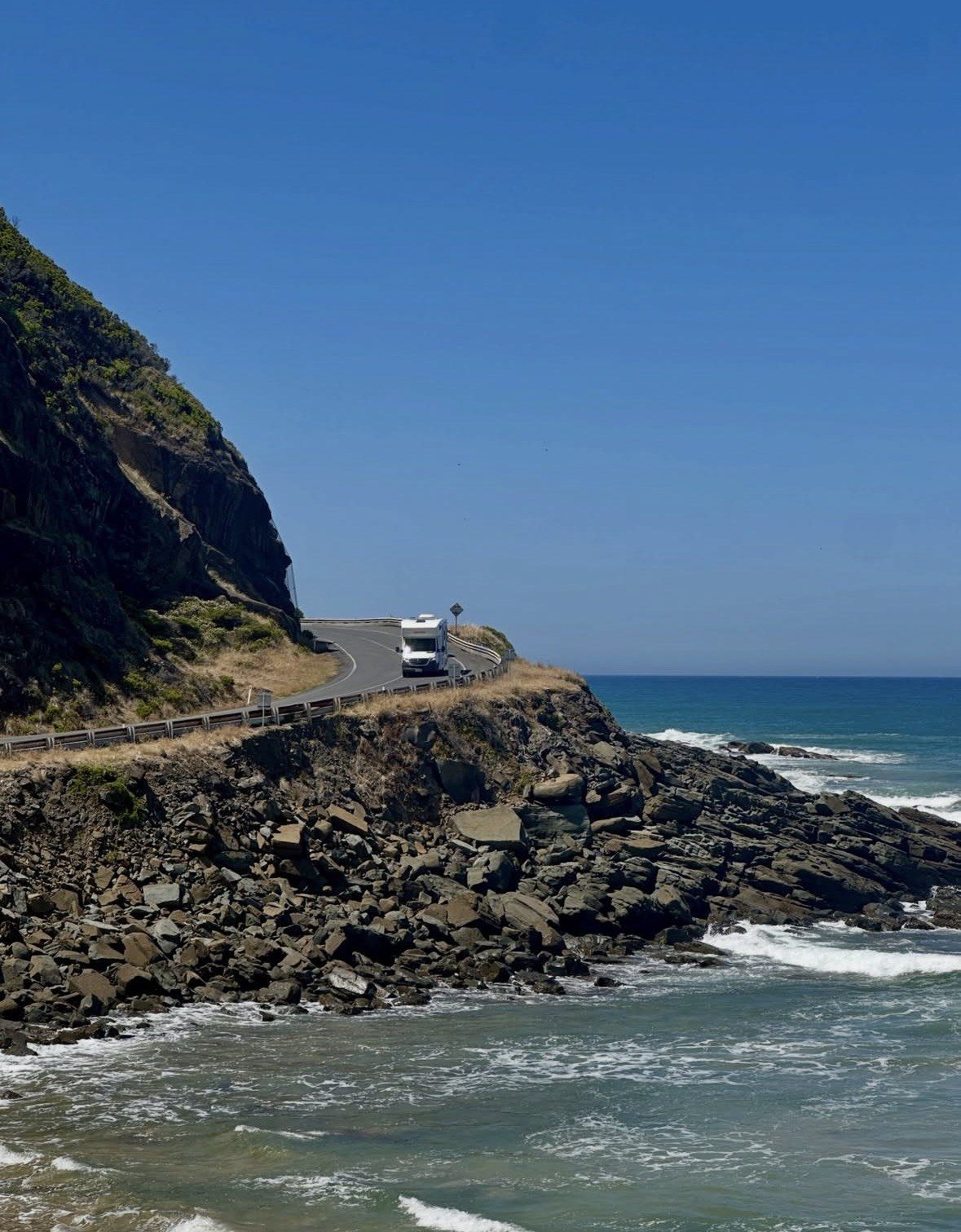
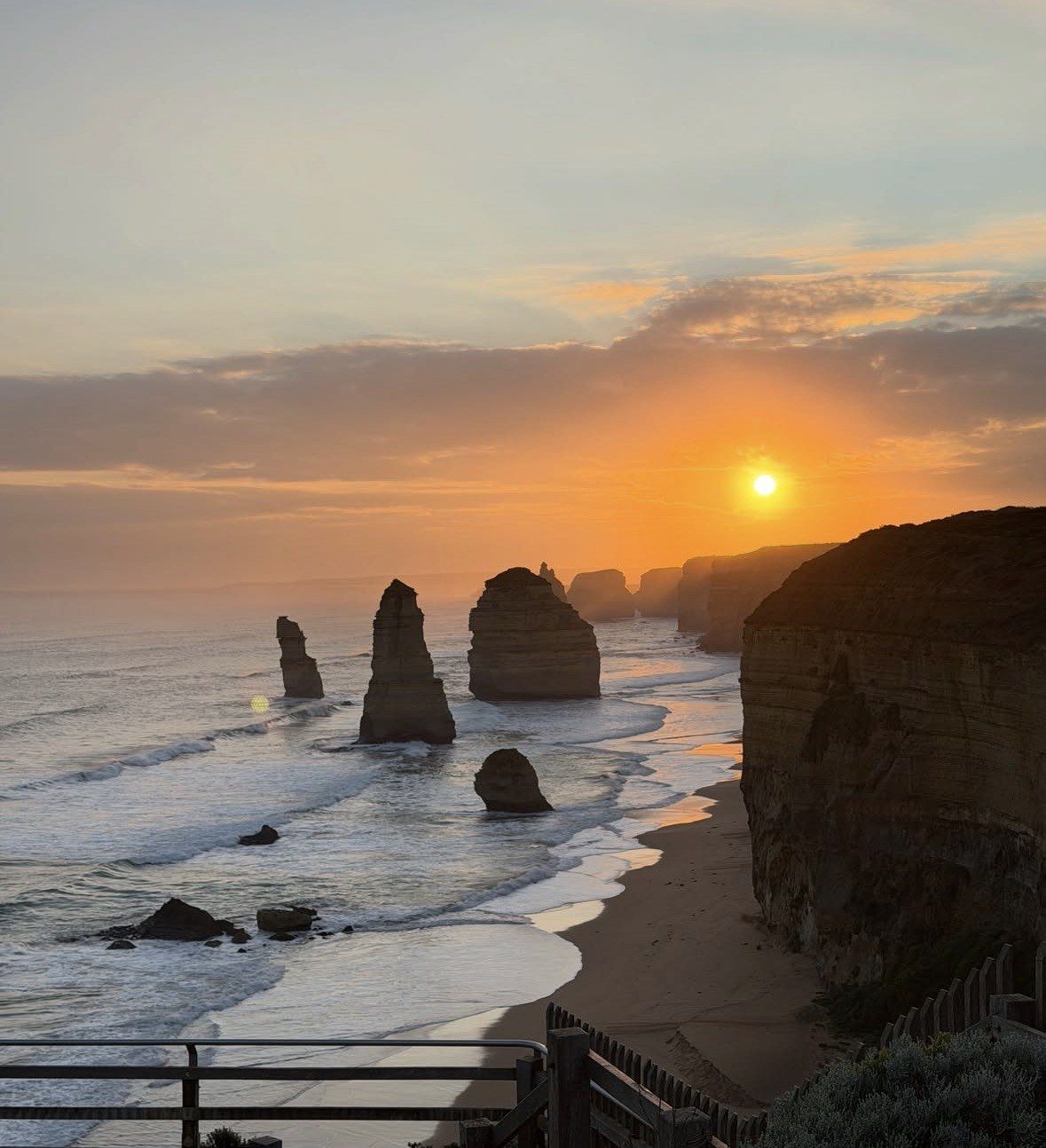
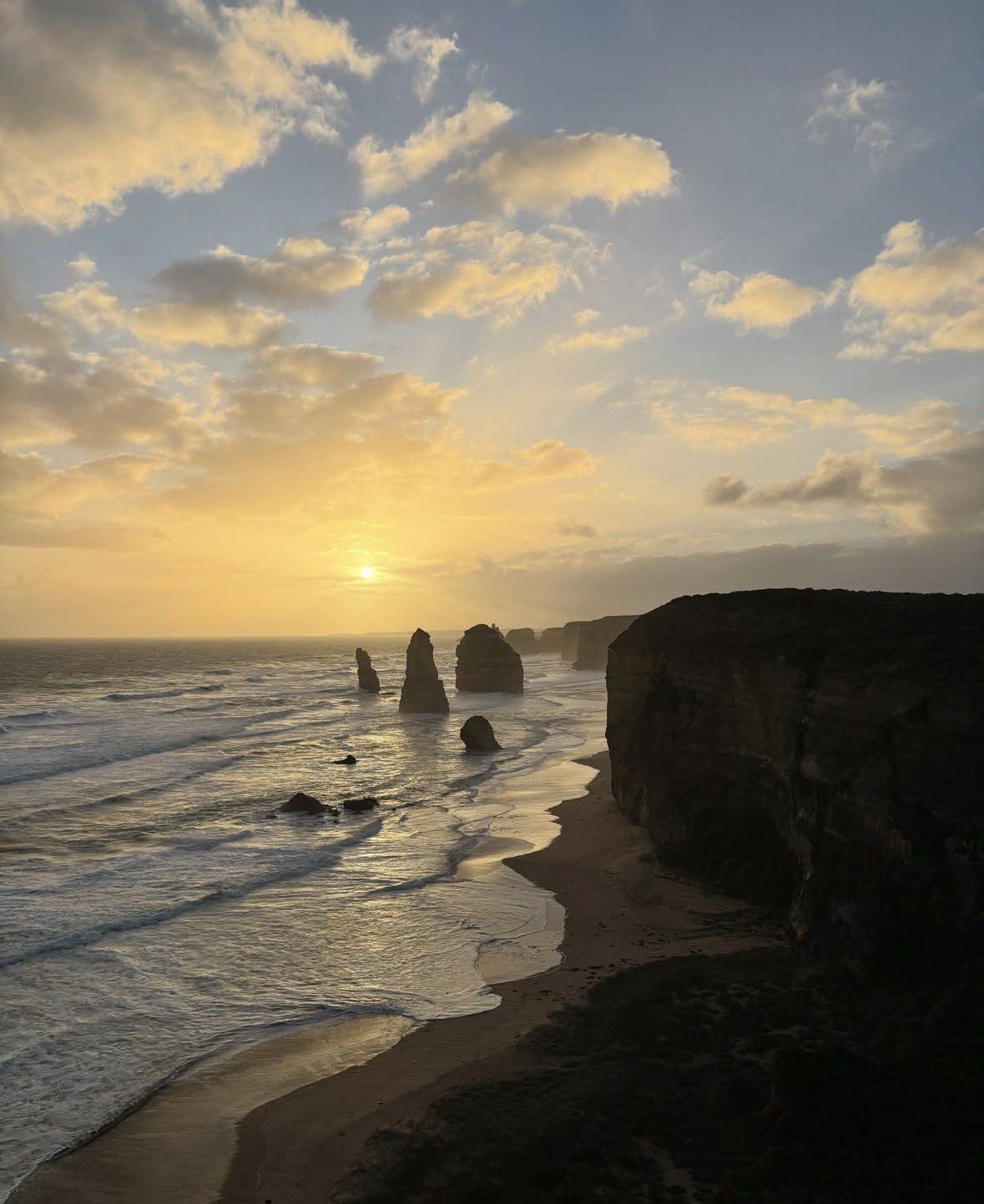
In shortThings to do on the Great Ocean Road fall into six groups: clifftop lookouts over the rock stacks, surf beaches, rainforest and waterfall walks in the Otways, wildlife watching, town stops for food, and short scenic flights from Princetown. The Twelve Apostles precinct needs a booking for the car park and the lookouts; most other formations are roadside sites reached straight from the road.
about 80 minutestime small-group tours spend at the Twelve Apostles precinct
600 mlength of the Otway Fly walkway above the rainforest
100+ kmGreat Ocean Walk from Apollo Bay to the Twelve Apostles
14 hourslongest single day tour from Melbourne on this site
Things to do on the Great Ocean Road, grouped by type
The route offers six distinct kinds of outing, and the clash between them is time rather than taste. Lookouts and roadside formations take minutes each; a treetop walkway or a lighthouse takes a half day with fixed closing times; the long coast walk takes about eight days. The stops are strung along 242 kilometres between Torquay and Allansford, so the real question is how many days you give it.
Pick two groups per day and you will see them properly. Try to fit four and you will spend the afternoon driving past the things you came for, which is why the regional tourism body advises against covering the road in a single day and suggests spreading it over at least two or three.
- Coastal formations and lookouts: the Twelve Apostles precinct (allow around 80 minutes), Loch Ard Gorge and Gibson Steps, plus London Bridge, The Arch and The Grotto further west, each a short roadside stop.
- Beaches and surf: Bells Beach at the Torquay end, the sand beneath the cliffs at Gibson Steps and Loch Ard Gorge, and the whale platform above Logans Beach at Warrnambool.
- Rainforest and waterfalls in the Otways: the 600-metre Otway Fly treetop walkway, the 4.6 km Wye to Kennett River coastal track, and the waterfall loops near Lorne when they are open.
- Wildlife watching: koalas in the trees at Kennett River, Eastern Grey Kangaroos on the Anglesea golf course, emus and waterbirds at Tower Hill near Warrnambool.
- Towns and food stops: Anglesea and Apollo Bay for lunch, Lorne for a first overnight, Port Campbell for the second.
- Scenic flights: routes of 16, 25 and 60 minutes from Booringa Road at Princetown, the same road as the Twelve Apostles entrance.
The full-route day from Melbourne
Fourteen hours is the longest single day on this site, which is why it reaches more of the six groups than any other day tour here: from $112, rated 4.9 ★ (7098 reviews), with pickup from selected hotels, national park fees, WiFi on board and coffee or tea included.
★ 4.9/5 · 7,098 reviews
Rock formations, lookouts and the view from the air
The Twelve Apostles precinct is the one stop you must arrange in advance. Since 16 October 2026 a booking covers entry to the whole site behind the boom gate on Booringa Road, the car park and the clifftop lookouts included, and the entrance sits where Booringa Road meets the Great Ocean Road at Princetown, roughly 7 kilometres on the Melbourne side of Port Campbell. Two sets of hours govern how long this stop can run: the car park takes cars from 6:00 AM to 9:00 PM and you can drive out whenever you like, while the Keerray Woorroong Visitor Centre itself is open 8:00 AM to 8:00 PM and accepts its last arrival at 7pm, according to the official site.
The building is worth part of that time on its own, with a rooftop observation deck, gallery and exhibition space, a kiosk and a 230-seat cafe, and picnic tables, shelters and native gardens outside it. Access here is better than anywhere else along the coast: parking and restrooms built for it, Changing Places and a Family Change Room, a sensory room, and trails and viewing platforms a wheelchair can use. Keerray Woorroong, the name the Eastern Maar Aboriginal Corporation gave the centre, is the name of the Country and of the Traditional Owners' language. A booking fee begins in April 2027; the amount has not been published and the responsible Victorian minister has gone no further than calling it really small, with the revenue going to the Great Ocean Road Coast and Parks Authority. Aim for the first hours after opening or the last part of the afternoon, which is the land manager's own advice for a site that stays busy in every season.
The other formations work differently. Gibson Steps, London Bridge, The Arch, The Grotto, the Blowhole (Poombeeyt Koontapool) and the Port Campbell Discovery Walk are separate roadside sites you drive to directly, and so is Loch Ard Gorge, named after the clipper that struck Mutton Bird Island in 1878. Two of them changed recently: the way down to the sand at Gibson Steps reopened in February 2026 after geotechnical inspections, and beach access at Loch Ard Gorge came back in late October 2026 once safety repairs finished, having been shut since May 2023. None of these stops works with a dog in the car, because the ban covers the Twelve Apostles, Loch Ard Gorge and Port Campbell National Park as a whole.
For the aerial version, 12 Apostles Helicopters flies from 20 Booringa Road at Princetown with three routes: London Bridge over 45 km and 5 landmarks in 16 minutes, Bay of Islands over 90 km and 9 landmarks in 25 minutes, and a Cape Otway circuit of 220 km and 17 landmarks in an hour. Flights run seven days a week, 9am to one hour before sunset in winter and 10am to 6:30pm in summer. No prices appear on the operator's own pages, so ask them directly rather than trusting a reseller figure. The 16-minute route is enough to see the stacks from above.
Surf beaches and the town stops where you eat
Bells Beach, near the eastern start of the road, is the surf stop that has a calendar: the Rip Curl Pro runs there every Easter, and the Bioglan Bells Beach Longboard Classic is scheduled for 2 to 6 December 2026. The Surf Coast end is also the warm, dry end. Beach time works out better here than deeper into the Otways, with January maximums at Aireys Inlet averaging 23.2 °C and the yearly rain total sitting at 620.4 mm, where Apollo Bay collects 1060.0 mm. The wind runs the other way. The 3pm sea breeze at Aireys Inlet averages 20.9 km/h and climbs to 22.6 km/h in September, so take the exposed lookouts in the morning and leave the sand for the afternoon.
Plan meals around the towns rather than around hunger. Many cafes and bakeries along the route close by 2:30pm, so Anglesea on the Surf Coast and Apollo Bay in the Otways are the two reliable eating stops, and anything later in the day is best carried with you. Lorne, with a January mean maximum of 23.0 °C and 108.7 mm of rain in an average August, is the first town where staying the night makes sense; Port Campbell is the matching choice at the western end, a few minutes from the precinct entrance. Allow more road time than a map suggests, because the Lorne to Apollo Bay stretch is narrow and winding, official advice is a break every 45 to 60 minutes, and that section is best not driven after dark.
At the far western end, Warrnambool sits about three hours south-west of Melbourne and gives the beach group its wildlife angle: the viewing platform on Logans Beach Road stands in the dunes, is open year-round and has a ramp for accessible viewing.
Otway rainforest walks, the treetop walkway and the lighthouse
The Otway Fly treetop walk is a 600-metre steel walkway carried 25 to 30 metres above the rainforest floor, open daily from 9am to 5pm except Christmas Day, with nobody admitted after 3:30pm. The guided zipline is a 2.5-hour block in the diary rather than a quick extra, taking you up to 30 metres above the forest. The operator recommends booking online and warns that zipline places may not exist if you simply arrive, so reserve that part before you leave Melbourne. Put the Otway Fly in the morning and keep the coast for after it, because the 3:30pm cut-off leaves no room the other way round.
Opening days are the thing that catches people out at Cape Otway Lightstation. It trades Friday to Tuesday, 9:30am to 4:30pm, admits nobody after 4pm and shuts on Christmas Day, so a Wednesday or Thursday on the coast needs a different inland stop. Built in 1848 and standing 90 metres above the ocean, it is the oldest lighthouse still surviving on mainland Australia. Heritage conservation works have the tower shut, with no climb and no way inside it, so what you walk is the grounds and the other station buildings. Tickets are bought at the site, which makes it a low-risk addition to a second day.
Waterfall walks need checking before you drive to them. Erskine Falls, Phantom Falls, Won Wondah and Henderson Falls, St Georges River Loop and Cora Lynn Cascades all carried temporary closures when this page was researched in November 2026. Coastal walking is the dependable alternative: the Wye to Kennett River Walk is an undulating 4.6 km one way, with steps and creek crossings, starting at the top of Morely Avenue near the Wye River hotel and ending in Kennett River township. January floods also took out Kennet Road and the Kennet-Wye Jeep Track, both still shut, and Wye Road has no reopening date.
Walking is the slowest way to see this coast, and the Great Ocean Walk is the eight-day version of it: more than 100 kilometres between Apollo Bay and the Twelve Apostles, laid out east to west because the views and the gradients both work better in that direction. Seven hike-in campsites along the way take three guests at most, each needs reserving before you leave, and that reservation stands as your camping permit. Groups, operators and anyone walking the full distance are asked to lodge an itinerary 14 days or more in advance, and tide and surf conditions can make certain beach and river sections unsafe. Start arranging the campsites and the registration months before you travel.
Wildlife watching through the year
Kennett River, halfway between Lorne and Apollo Bay, is where koalas are seen in the trees, and the Authority identifies Grey River Road as the town's main viewing spot. Roadside stops are not the way to do it: watch from a walking track or a designated viewing area, which is what the official advice says, and expect no large tour coaches, which are barred from entering or stopping inside the Kennett River precinct. Parking under the adopted precinct plan is modest, with 24 car spaces plus bays for medium and long vehicles, motorcycles and bicycles.
Land mammals are easiest at two managed sites. The Anglesea Golf Club course holds a population of about 300 Eastern Grey Kangaroos, and the club's guided kangaroo tour takes 25 minutes, with guests asked to arrive 15 minutes beforehand; it does not operate on Christmas Day or on the morning of a Victorian public holiday, and it is called off on total fire ban days, in strong winds, or once the temperature goes past 37 °C. Tower Hill Wildlife Reserve sits inside an extinct volcano 18 km west of Warrnambool off the Princes Highway, about 15 minutes out of the city centre, and it is the dependable stop for emus, kangaroos, koalas and waterbirds, with spring the season for emu and swan chicks and kangaroo joeys. Only assistance dogs are welcome there.
Whales set the winter calendar. The southern right whale season runs May to October in Victorian waters, with calving at Logans Beach in Warrnambool concentrated between June and September and the animals often inside 100 metres of the beach; the Victorian listing is endangered, the south-eastern population is down to roughly 300 animals, and Logans Beach is the one established nursery in south-east Australia. A nursery exclusion zone keeps powered watercraft out between Gaul's Cave and Point Ritchie from 1 June to 31 October. Humpbacks pass in two bursts, June and July and then September and October, while blue whales are a November to May possibility off the Shipwreck Coast that keeps well out to sea, so land sightings are uncommon.
Dusk adds two sightings a day trip cannot wait for. The Little Penguins land on the beach under the Twelve Apostles and London Bridge lookouts, the earliest arrivals 10 to 15 minutes past sunset and the bulk of them 20 to 25 minutes past, and their tracks stay in the sand. Between October and April, Short-tailed Shearwaters come back to Mutton Bird Island at Loch Ard Gorge as the light goes.
Two rules apply everywhere on this coast. Do not feed wildlife: the Authority, working under the Wildlife Act 1975, points out that hand-fed animals lose their foraging skills, gather in unnatural numbers that spread disease, develop dietary deficiencies and turn aggressive. An H5 bird flu warning is also active across the parks, so leave sick or dead animals untouched and report them to the Emergency Animal Disease Hotline on 1800 675 888.
Which Great Ocean Road attractions fit a day tour
A single day from Melbourne covers the Surf Coast, a koala stop, lunch on the coast, one Otways walk and the booked Twelve Apostles precinct, with small-group operators building around 80 minutes into the itinerary for the centre and the lookout. What it will not cover is the string of roadside sites west of Port Campbell, London Bridge, The Arch and The Grotto among them, or anything with a fixed afternoon closing time such as the lighthouse. The regional tourism body's own position is that the road should be spread over at least two or three days, and that extra night is also what buys you the dusk wildlife.
Arrival time matters more than the order of the stops. Because the precinct already takes more than 2 million visitors a year and the Victorian government is working towards 6 million, a reverse itinerary that runs inland first and reaches the lookouts before the midday wave lands you there in one of the two quieter windows the land manager names. Tour operators and regional partners hold the advantage of reserving arrival slots as much as four months out, well ahead of the point at which most independent visitors settle anything, so put the precinct booking at the top of the list and the accommodation after it.
Match the tour to the groups you actually want. The 14-hour small-group eco day from $112, rated 4.9 ★ (7098 reviews), is the one that reaches the most of the route in a single run, with pickup from selected hotels, national park fees, WiFi on board and coffee or tea included. The 12-hour reverse-in premium coach from $63, rated 4.9 ★ (132 reviews), runs the order backwards to reach the Apostles early. The 12-hour Premium Small Group Great Ocean Road and Wildlife day from $112, rated 5.0 ★ (18 reviews), includes lunch and morning tea by the beach, which solves the 2:30pm closing problem on its own. Each of the three can be cancelled for a full refund if you do it at least 24 hours before the departure time.
| Thing to do | Time or hours it needs | Fits a day tour from Melbourne? |
|---|
| Twelve Apostles precinct, centre and lookouts | around 80 minutes; car park 6:00 AM to 9:00 PM, centre 8:00 AM to 8:00 PM, last arrival 7pm | Yes, with a booking since 16 October 2026 |
|---|
| Gibson Steps, beach access reopened February 2026 | short roadside stop plus the steps to the sand | Usually yes |
|---|
| Loch Ard Gorge, beach access reopened late October 2026 | short roadside stop plus the steps to the sand | Usually yes |
|---|
| London Bridge, The Arch, The Grotto, the Blowhole | separate roadside sites west of Port Campbell | Needs a second day |
|---|
| Otway Fly treetop walkway | daily 9am to 5pm, no entry after 3:30pm | Only if the Otways come before the coast |
|---|
| Otway Fly guided zipline | 2.5 hours, booked online in advance | Needs a second day |
|---|
| Cape Otway Lightstation | Friday to Tuesday, 9:30am to 4:30pm, last entry 4pm | Needs a second day |
|---|
| Scenic flight from Princetown | 16, 25 or 60 minutes, seven days a week | Self-drive addition at the precinct end |
|---|
| Anglesea golf course kangaroo tour | 25 minutes guided, arrive 15 minutes early | Self-drive addition |
|---|
| Wye to Kennett River Walk | 4.6 km one way, steps and creek crossings | Needs a second day |
|---|
| Great Ocean Walk, Apollo Bay to the Twelve Apostles | more than 100 km, usually eight days, east to west | No, plan months ahead |
|---|
Questions people ask
Do Gibson Steps and Loch Ard Gorge need a booking too?
The published requirement covers the Twelve Apostles precinct, meaning the car park and the lookouts behind the boom gate on Booringa Road as well as the visitor centre. Gibson Steps, Loch Ard Gorge and the sites west of Port Campbell are separate roadside stops with their own car parks, and the official park pages do not state a booking requirement for them either way. Arrangements along this coast changed through 2026, so check before you drive.
Can I bring a dog to the main attractions?
No. Dogs are kept out of Port Campbell National Park as a whole, which takes in both the Twelve Apostles and Loch Ard Gorge. At Tower Hill Wildlife Reserve near Warrnambool only assistance dogs are welcome. If you are travelling with a dog, plan the coastal formations as stops someone stays behind for.
What is there to do if the weather turns?
Apollo Bay averages 1060.0 mm of rain across 127.1 days of at least 1 mm a year, so a shower somewhere in the day is normal rather than unlucky. The Twelve Apostles precinct has indoor space in its gallery and exhibition rooms and a 230-seat cafe, and at the western end Flagstaff Hill Maritime Museum and Village in Warrnambool runs a By Day session from 9:30 am to 4:00 pm with a costumed Heritage Walk at 11:30 am.
Is there a visitor information centre on the route?
Yes. There is one on the Apollo Bay foreshore, the Great Ocean Road Visitor Information Centre at 100 Great Ocean Road, and the phone number is 1300 689 297. The Great Ocean Road Coast and Parks Authority, which manages the coast and parks along the road from its base in Torquay, takes general enquiries on 1300 736 533. Mobile reception along the route is unreliable, so download maps and save confirmations before you set off.
Can I camp wherever I like between the stops?
No. Free camping is not permitted in many parts of the Great Ocean Road region and councils enforce the rules with fines, so overnight stays belong in designated sites. On the Great Ocean Walk the seven hike-in campsites must be reserved before you walk and each takes a maximum of three guests, with the reservation serving as your permit. In December and January, accommodation of any kind needs arranging months ahead.
Read also