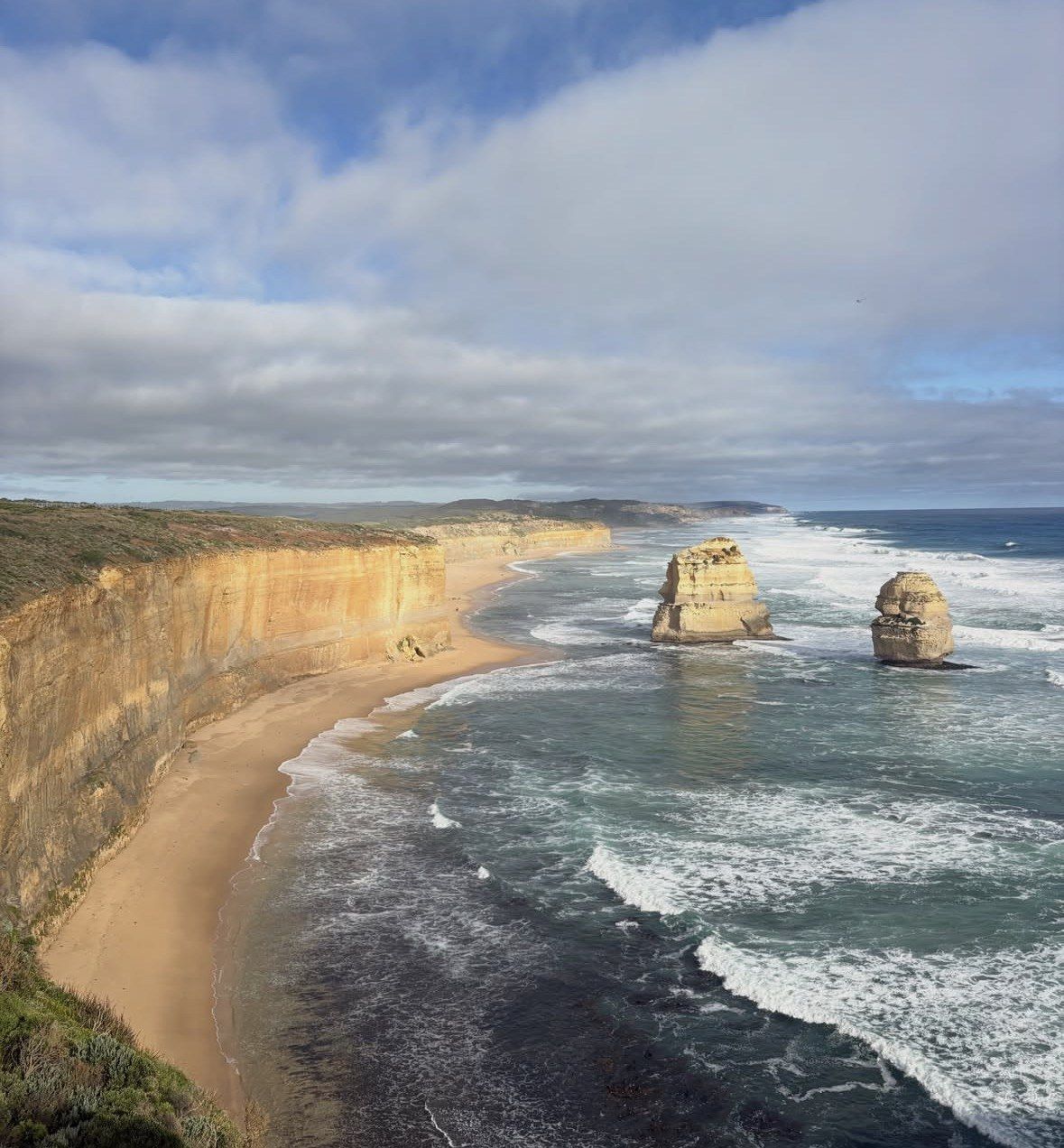
In shortBook the Twelve Apostles precinct before anything else: since 16 October 2026 the booking covers the visitor centre, the car park and the lookouts. Then build the route around flat ground. Pram wheels, wheelchairs and a child who needs to get out of the noise are all catered for at the precinct: the trails and viewing platforms are wheelchair-accessible, the parking and restrooms are accessible, and there is a Family Change Room, Changing Places, a sensory room, a cafe and a kiosk. Break every 45 to 60 minutes.
6am to 9pmTwelve Apostles car park opening hours, cars may leave any time
8am to 8pmKeerray Woorroong Visitor Centre hours, last arrival 7pm
45 to 60 minuteshow often to pull over between Lorne and Apollo Bay
from $18111-hour small-group minivan day trip from Melbourne
Planning a Great Ocean Road family trip
Book the Twelve Apostles entry first, ahead of accommodation, a car or a tour. Since 16 October 2026, when the Keerray Woorroong Visitor Centre first opened to the public, no family can simply pull up at the Apostles: the booking is what gets the car through and the children onto the lookouts, not only into the building. The gate you want is on Booringa Road at Princetown, about 7 kilometres east of Port Campbell, and coaches and coasters use a different boom gate on the same road, so stay in the car lane rather than behind the buses. Keep the confirmation as a screenshot, because reception along this coast drops out without warning.
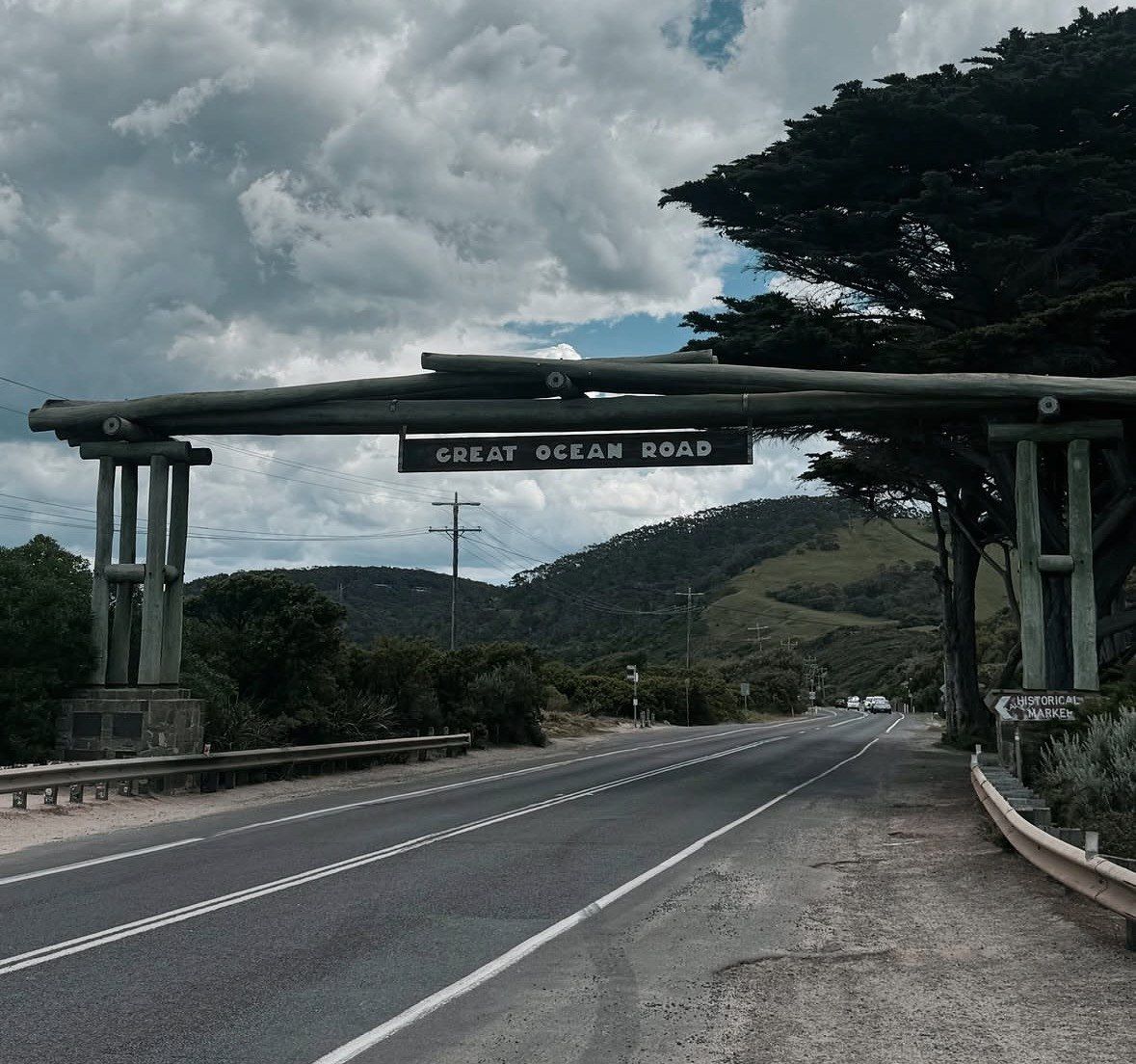
Give the road two or three days. The regional tourism body advises against covering it in a single day and suggests spreading it across at least two or three, which with children is the difference between a holiday and an endurance test. A night in Lorne or Apollo Bay and a second near Port Campbell breaks the 242 kilometres into short hops. A December or January trip means competing with every other family in the state: Victorian school summer holidays fall between Monday 21 December 2026 and Wednesday 27 January 2027, the fullest the route gets all year, and rooms that sleep four go months in advance.
Arrival time at the Apostles matters more than almost anything else you decide. There is no quiet season at the lookouts; the land manager calls the site busy all year and points visitors at the first hours of the morning or the later part of the afternoon. Children who are awake at six are an advantage here: the car park takes cars from 6:00 AM, holds them until 9:00 PM and puts no limit on when you leave, so breakfast at the lookouts ahead of the coach wave is practical, even though the centre itself only works between 8:00 AM and 8:00 PM and takes its last arrival at 7pm. A booking fee starts in April 2027 at a level nobody has published, so check the conditions for your own date.
Stops ranked by effort, from flat platforms to cliff stairways
The Great Ocean Road with kids works when you order the day by what the smallest pair of legs can manage. The Twelve Apostles precinct is the one place on the route with wheelchair-accessible trails and viewing platforms, which is also what makes it workable with a pram. The beach descents at Gibson Steps and Loch Ard Gorge are stairways down a cliff: good with school-age children, awkward with a toddler on your hip and a bag on the other shoulder.
Everything else in Port Campbell National Park means another car park and another round of unbuckling: Gibson Steps, London Bridge, The Arch, The Grotto, the Blowhole (Poombeeyt Koontapool) and the Port Campbell Discovery Walk each open straight off the Great Ocean Road as a stop of its own. None sits inside the booked precinct, so every one of them is a fresh decision about whether it is worth getting everybody out of the car. Loch Ard Gorge is named after the clipper Loch Ard, which struck Mutton Bird Island in 1878, and most children find that more interesting than the rock stacks.
| Stop | Effort with small children | What is on the ground |
|---|
| Twelve Apostles precinct, Princetown | Easiest on the route | Wheelchair-accessible trails and viewing platforms, rooftop observation deck, shelters, picnic tables, 230-seat cafe and kiosk |
|---|
| Logans Beach whale platform, Warrnambool | Easy | Platform in the dunes with a ramp for accessible viewing, open year-round |
|---|
| Otway Fly Treetop Walk | Easy underfoot, takes time | 600 m steel walkway, 25 to 30 m above the rainforest floor; open 9am to 5pm, last entry 3:30pm |
|---|
| Tower Hill Wildlife Reserve, 18 km west of Warrnambool | Short, level walks | Emus, kangaroos, koalas and waterbirds inside an extinct volcano; assistance dogs only |
|---|
| Kennett River, Grey River Road | Short walk from the township | Koalas in the trees; large tour coaches may not enter or stop in the precinct |
|---|
| Cape Otway Lightstation | Moderate, and only five days a week | Open Friday to Tuesday 9:30am to 4:30pm, last entry 4pm; the 1848 tower is closed for conservation works, with no climbs |
|---|
| Gibson Steps beach | Stairway descent | Beach access reopened in February 2026 |
|---|
| Loch Ard Gorge beach | Stairway descent | Reopened in late October 2026 after safety repair works, having been closed since May 2023 |
|---|
| Wye to Kennett River Walk | Hardest listed here | 4.6 km one way, undulating, with steps and creek crossings |
|---|
Private day, your pace
A private tour for 1 to 3 guests, 8 to 12 hours from $280, with pickup and drop-off at your own accommodation, so naps, snacks and stair-free stops are decided in the car rather than by a timetable.
★ 5.0/5 · 25 reviews
Great Ocean Road accessible stops: what the Twelve Apostles precinct has
The precinct is the strongest accessible stop on the coast, and the official site sets out exactly what is provided. For a family travelling with a child who needs a quiet space away from noise, or with an adult who needs a full-size change table and a hoist, nothing else along the route comes close.
Lunch here does not depend on finding an open town. The redevelopment that produced the centre, a $126 million project funded through the Geelong City Deal between the Australian and Victorian governments and the City of Greater Geelong, put a 230-seat cafe and a kiosk on the site. Kitchens in the towns often stop serving by 2:30pm, so a mid-afternoon arrival here is one of the few remaining chances at a hot meal. Shelters, picnic tables, native gardens, gallery and exhibition space and a rooftop observation deck fill the rest of the site.
Keerray Woorroong, the name on the building, was the Eastern Maar Aboriginal Corporation's choice, and it is the name of both the Country and the language of the region's Traditional Owners, which is a short thing to explain to children at the door. The family dog cannot come: no dogs at the Twelve Apostles, none at Loch Ard Gorge and none in Port Campbell National Park generally, so arrange somewhere for the pet to stay before you drive down.
- Accessible parking and accessible restrooms
- A Family Change Room and a Changing Places facility
- Wheelchair-accessible trails and viewing platforms
- A sensory room
- A 230-seat cafe, a kiosk and new toilets
- Shelters, picnic tables and expanded car parking
Driving the narrow section with small children in the car
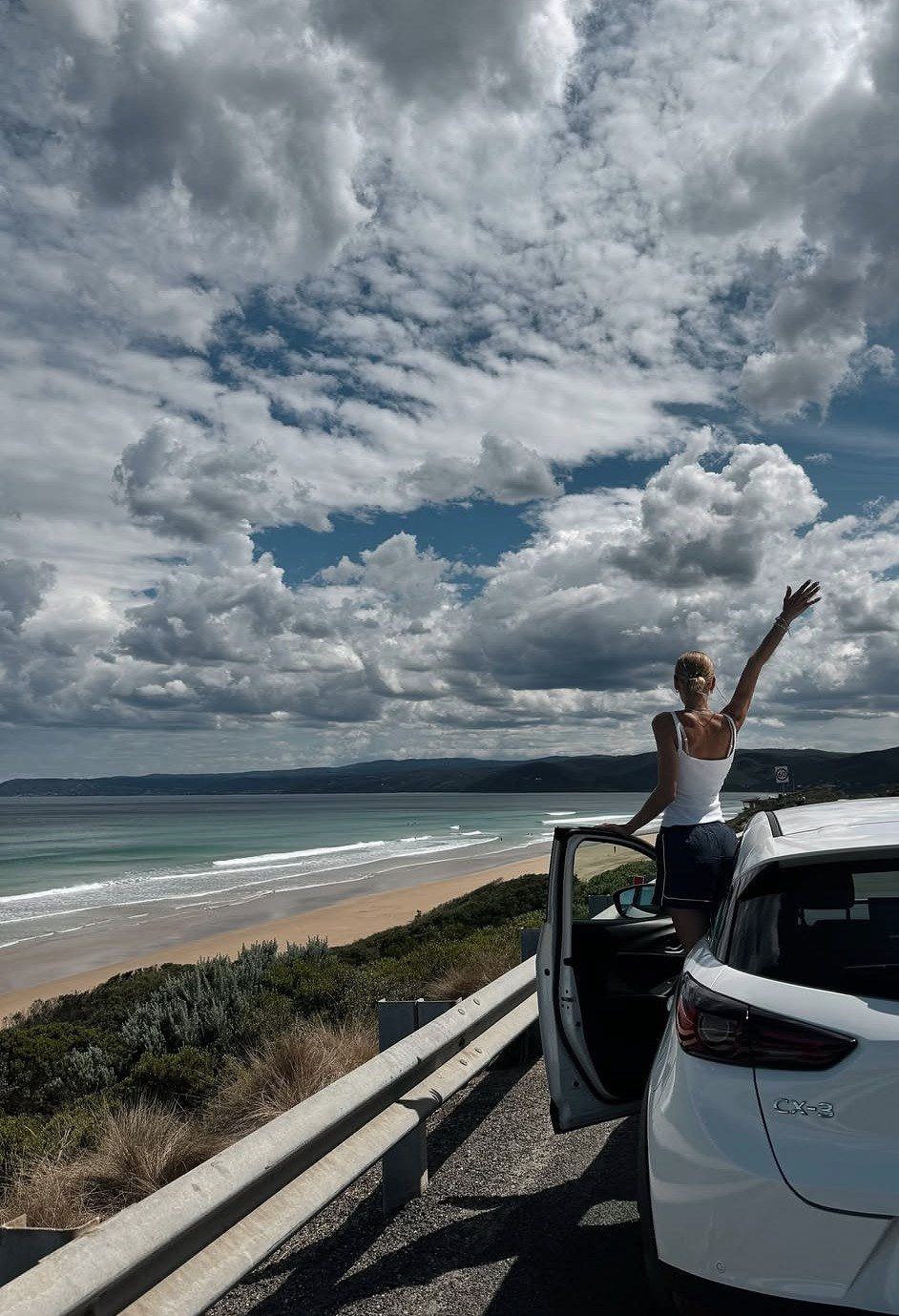
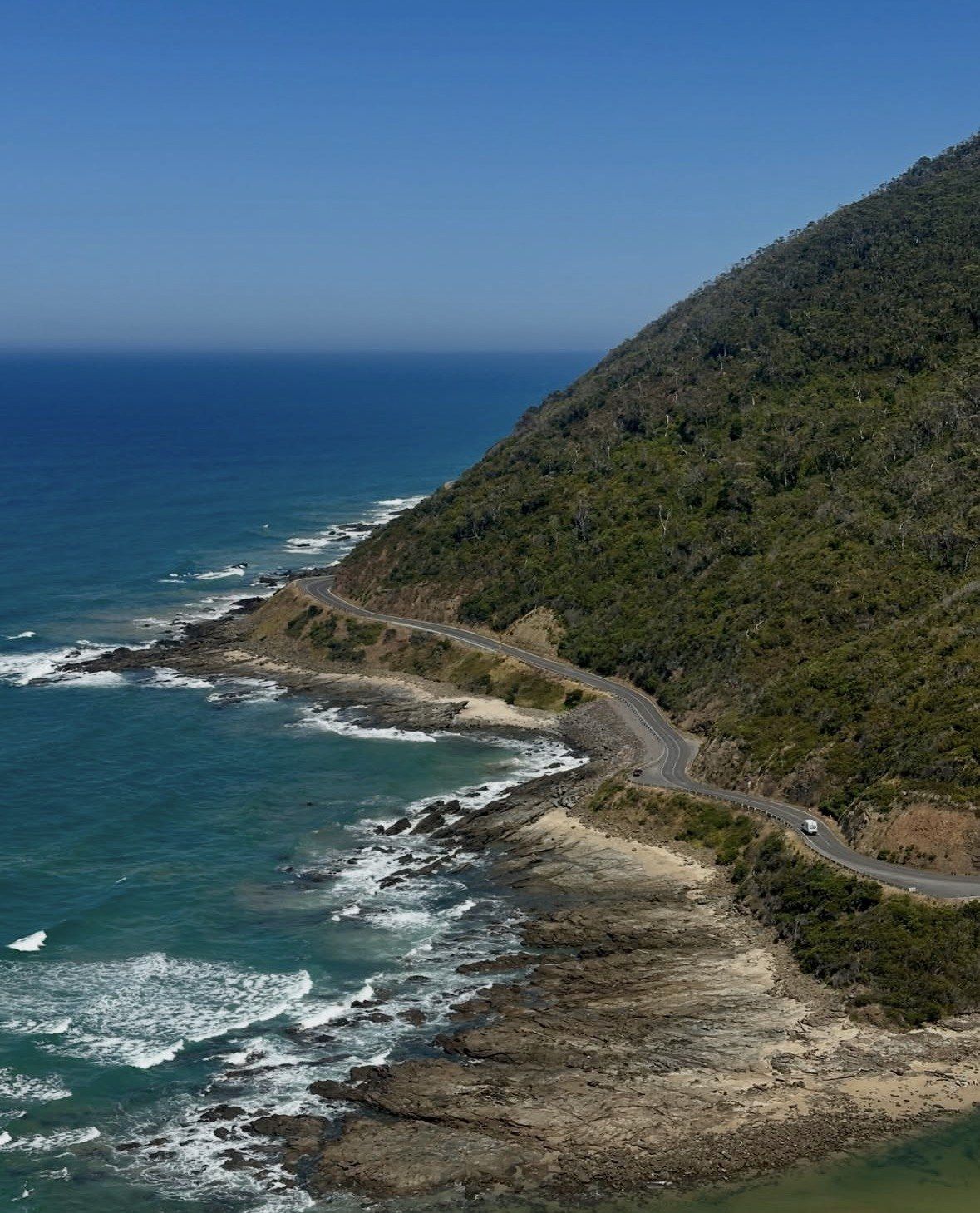
Between Lorne and Apollo Bay the road narrows, bends and slows to a crawl, and this is the section that catches people out. The official line is to stop every 45 to 60 minutes and to stay off it once the light has gone. With a car seat in the back that break schedule happens whether you plan it or not, so put the stops in the itinerary at Kennett River or Apollo Bay instead of improvising at the first wide shoulder.
Keep left: that is the side Australia drives on, and the slow-vehicle turnouts exist so that a carload moving at child pace is not holding up a line of local traffic. Stopping for photographs on blind corners or across private driveways is prohibited, which rules out most of the spots where a child will suddenly shout that there is a koala.
Carry food and water in the car. Meals along this coast have to be built around town stops such as Anglesea or Apollo Bay, because many cafes and bakeries shut by 2:30pm and the gaps between them are longer than the map suggests. Download maps, accommodation details and the Apostles confirmation before you leave, since mobile reception is unreliable. Two numbers are worth saving in a phone: 1300 689 297 for the Great Ocean Road Visitor Information Centre, on the foreshore at 100 Great Ocean Road in Apollo Bay, and 1300 736 533 for general enquiries to the Great Ocean Road Coast and Parks Authority.
Wildlife stops children remember, and the rules that come with them
Koalas are the animal children ask for, and the trees of the Great Otway National Park at Kennett River, the midway point between Lorne and Apollo Bay, are where people find them; the Authority names Grey River Road as the town's main wildlife-viewing spot. Walk it rather than crawling along in the car: official advice for koala spotting is to look from a walking trail or a designated viewing area and not to stop on roadsides. No large tour coach is allowed to enter or stop inside the Kennett River precinct, so this stop only happens if you are in a car or a minivan.
Closer to Melbourne, a population of about 300 Eastern Grey Kangaroos grazes the Anglesea Golf Club course on the Surf Coast, where the guided kangaroo tours are walked on the course itself and are called off on total fire ban days, in strong winds and whenever the temperature passes 37 °C, so treat it as a stop that may not happen. Tower Hill Wildlife Reserve, in the crater of an extinct volcano 18 km west of Warrnambool off the Princes Highway, is the steadiest bet at the far end of the route for emus, kangaroos, koalas and waterbirds; come in spring if the children want young animals, which is when emu and swan chicks and kangaroo joeys are about. Only assistance dogs are welcome there.
Dusk is the part children talk about afterwards. Little Penguins land on the beach under the Twelve Apostles and London Bridge lookouts once the light fades, the first of them about 10 to 15 minutes after sunset and most of them 20 to 25 minutes after, and they leave prints in the sand. Between October and April the Short-tailed Shearwaters come back to Mutton Bird Island at Loch Ard Gorge at the same hour. The car park's 9:00 PM closing makes an evening visit possible, as long as you are not then driving the winding section in the dark.
Whales are the easiest wildlife to show a child who will not keep still. Southern right whales are in Victorian waters from May to October to give birth and raise their calves, and at Logans Beach in Warrnambool they calve between June and September, frequently within 100 metres of the sand. The platform on Logans Beach Road sits in the dunes, is open all year and has a ramp for accessible viewing, which makes it one of the easier wildlife stops for a mixed-age group.
- Do not feed wildlife. Hand-fed animals forget how to forage, crowd into unnatural numbers that spread disease, develop dietary deficiencies and turn aggressive, which is why the Authority, working under the Wildlife Act 1975, asks visitors not to.
- Do not touch the animals, and say so to the children before you open the car door.
- H5 bird flu warnings are up across the parks along this coast. A sick or dead bird stays where it is, nobody in the family touches it, and the sighting goes to the Emergency Animal Disease Hotline on 1800 675 888.
- Leave dogs at home: they are barred from the Twelve Apostles, from Loch Ard Gorge and from Port Campbell National Park as a whole, and Tower Hill admits assistance dogs only.
Which tour format suits families and seniors
Group size is the specification that counts when you are travelling with children or with grandparents. A minivan or a private car keeps the walk from the parking area short, turns an unscheduled toilet stop into a conversation instead of a problem, and reaches places a full-size coach cannot. Operators hold one further advantage: tour operators and regional partners can reserve Twelve Apostles arrival slots up to four months ahead, far earlier than individual visitors manage.
The shortest day listed on this site is the Small-Group Great Ocean Road Day Trip from Melbourne, 11 hours, from $181, rated 4.8 ★ (308 reviews), in an air-conditioned minivan with live commentary and selected city-centre hotel pickup and drop-off, meeting at the entrance of the Mercure Melbourne Southbank. Two hours less than most day tours is worth paying for when somebody in the back seat is counting.
The Great Ocean Road and 12 Apostles Private Day Tour is the one that bends to a family's own timetable: 8 to 12 hours from $280, rated 5.0 ★ (25 reviews), with a professional driver-guide, collection and return at your own accommodation, bottled water, USB-C charging and all tolls and parking fees covered. It carries 1 to 3 guests, so a family of four or more should ask the operator what can be arranged before booking.
A longer day in a small group is the Small-Group Great Ocean Road Classic Day Tour from Melbourne: 13 hours on the west-bound order, from $98, rated 4.8 ★ (354 reviews), with pickup from selected hotels, morning tea, WiFi on board and national park fees included. Child fares and seat arrangements are shown on each tour page, so read that part before you pay. All three allow a full refund if you cancel at least 24 hours before the scheduled departure, which is the clause that matters when a child wakes up unwell. Figures here were checked in November 2026.
Questions people ask
Do we need a booking for Gibson Steps and Loch Ard Gorge too?
The booking requirement published by the Authority applies to the Twelve Apostles precinct: the visitor centre, the car park and the lookouts. Gibson Steps and Loch Ard Gorge are separate roadside sites with their own car parks, and neither official page states a requirement either way. Phone the Authority on 1300 736 533 close to your travel date to confirm, and bear in mind both beach accesses are stairways.
Can we push a pram at the lookouts?
At the Twelve Apostles precinct the trails and viewing platforms are wheelchair-accessible, so wheels work there. Away from the precinct it changes stop by stop: Gibson Steps and the Loch Ard Gorge beach are stair descents, and the Wye to Kennett River Walk is 4.6 km one way, undulating, with steps and creek crossings. Bring a sling if the beaches matter to you.
Where can we feed hungry children along the route?
Treat Anglesea and Apollo Bay as the meal towns, because many cafes and bakeries along the road stop serving by 2:30pm. The Twelve Apostles is the reliable option, with a 230-seat cafe and a kiosk inside a centre that works from 8:00 AM to 8:00 PM and stops taking arrivals at 7pm. Keep enough food in the car for a long afternoon, since reception is patchy and shops are far apart.
When is the road busiest with other families?
The peak is the Victorian school summer break, 21 December 2026 to 27 January 2027; if you travel in December or January, beds have to be sorted months out. School is back for the 2027 terms from 27 January to 25 March, 12 April to 25 June, 12 July to 17 September and 4 October to 17 December, and those are the weeks when the lookouts thin out. More than 2 million people reach the Twelve Apostles each year, which is why the early morning and late afternoon windows are worth using.
What should we pack for the weather with children?
Rain gear and a warm layer, in any month. January at Apollo Bay averages a maximum of 21.9 °C and July 13.1 °C, and the town collects 1060.0 mm of rain across 127.1 rain days in an average year. Aireys Inlet at the Surf Coast end is warmer and much drier, at 23.2 °C in January and 620.4 mm a year. Hats will not stay on above the cliffs: August mean wind speeds at Cape Otway Lighthouse reach 27.6 km/h at 9am and again at 3pm.
Read also